

Overview
Open water swimming offers a thrilling escape from the confines of a pool, but it requires specific skills and preparation to navigate its challenges. Understanding water conditions, mastering techniques like sighting and drafting, and prioritizing safety are essential for a successful experience. With the right mindset and gear, you can confidently embrace the adventure of swimming in open water.
Table of Contents
- Understanding the Open Water Environment
- Preparation Before You Swim
- 1. Choose the Right Location
- 2. Invest in the Right Gear
- 3. Get Acquainted with the Environment
- Techniques for Open Water Swimming
- 1. Sighting
- 2. Breathing Techniques
- 3. Drafting
- Safety First: Open Water Swimming Tips
- 1. Never Swim Alone
- 2. Know Your Limits
- 3. Wearing a Floatation Device
- Post-Swim Considerations
- 1. Hydrate
- 2. Stretch and Recover
- 3. Reflect on Your Experience
- Join the Open Water Community
- 1. Participate in Swim Events
- 2. Share Your Journey
- Equip Yourself for Success
Key Takeaways
- Understand the Environment: Familiarize yourself with water conditions, visibility issues, and local wildlife before swimming.
- Choose Safe Locations: Opt for supervised swimming spots with clear entry and exit points to ensure safety.
- Invest in Essential Gear: Use a wetsuit for warmth and buoyancy, high-quality goggles for visibility, and a bright swim cap for safety.
- Practice Sighting: Regularly lift your head to stay oriented and swim in a straight line by using visual markers on land.
- Prioritize Safety: Always swim with a buddy, know your limits, and consider wearing a floatation device for increased visibility.
- Post-Swim Care: Rehydrate, stretch, and reflect on your experience to enhance future swims.
- Engage with the Community: Join local swim clubs or participate in events to connect with other swimmers and share your journey.
Open water swimming can be an exhilarating experience, presenting swimmers with unique challenges and beautiful surroundings. Whether you're training for a triathlon or simply seeking adventure, mastering the open water is a valuable skill. This guide provides essential open water swimming tips and techniques for open water swimming to help you conquer the waves like a pro. Let’s dive in!
Understanding the Open Water Environment
Open water swimming differs greatly from swimming in pools. Familiarizing yourself with the outdoor swimming environment is crucial to making your experience enjoyable and safe. Some key factors include:
- Water Conditions: Be aware of currents, tides, and temperature variations. Use local forecasts and apps that provide updates on conditions.
- Visibility: Unlike pools, visibility can be limited in open water. You may encounter murky waters or parts of the swim where you cannot see below the surface.
- Wildlife: Know the local wildlife, including any potentially hazardous creatures. Understanding what to expect will help you stay calm.
Preparation Before You Swim
Preparation is key to a successful open water swim. Here are some important steps to take before you hit the water:
1. Choose the Right Location
Pick a safe and supervised swimming spot. Popular options include designated swimming areas at beaches, lakes, or rivers. Ensure there's a clear entry and exit point from the water.
2. Invest in the Right Gear
While swimming in open water, having the appropriate gear can enhance your performance and comfort. Key items include:
- Wetsuit: A wetsuit can keep you warm in cooler waters and provide buoyancy, aiding your swimming technique.
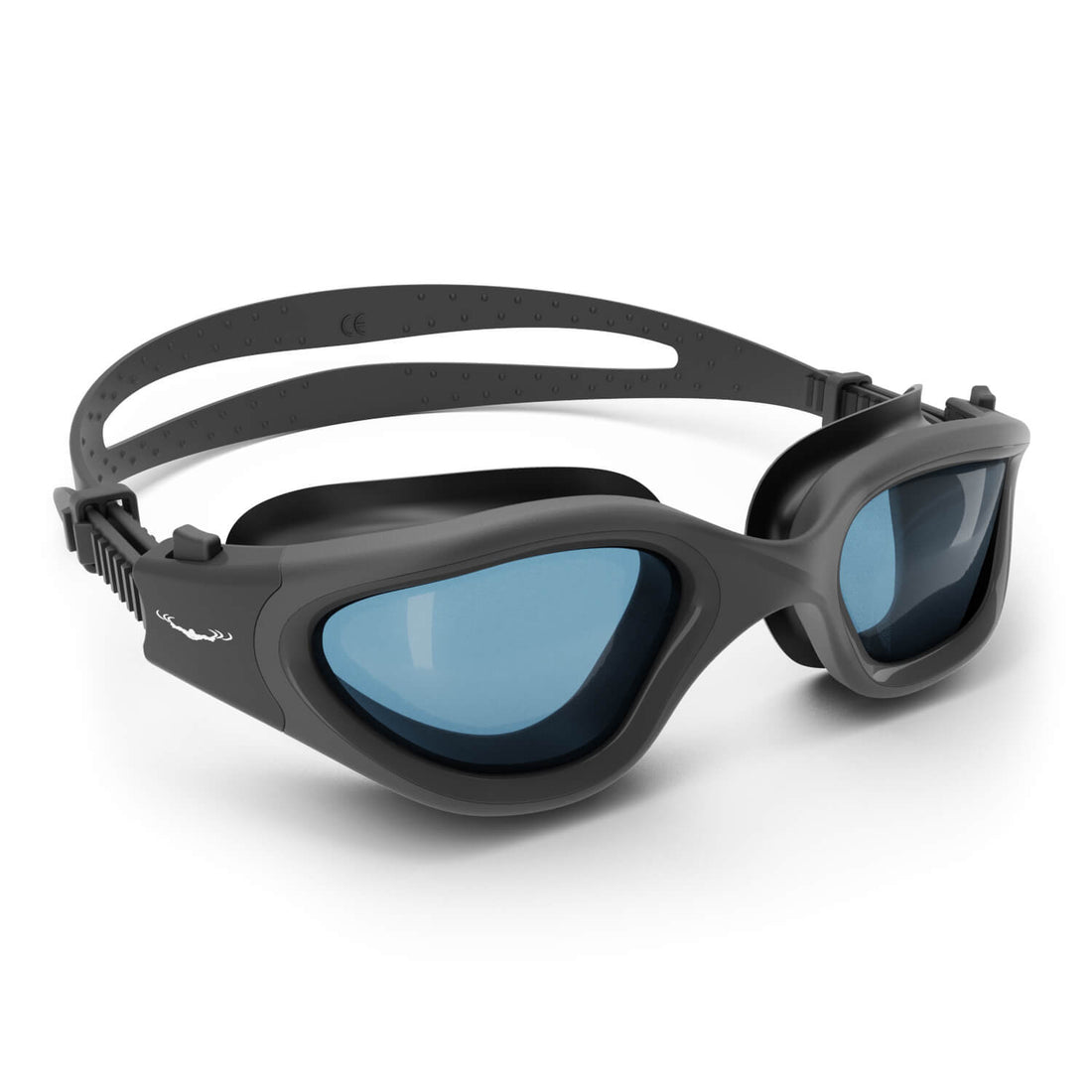
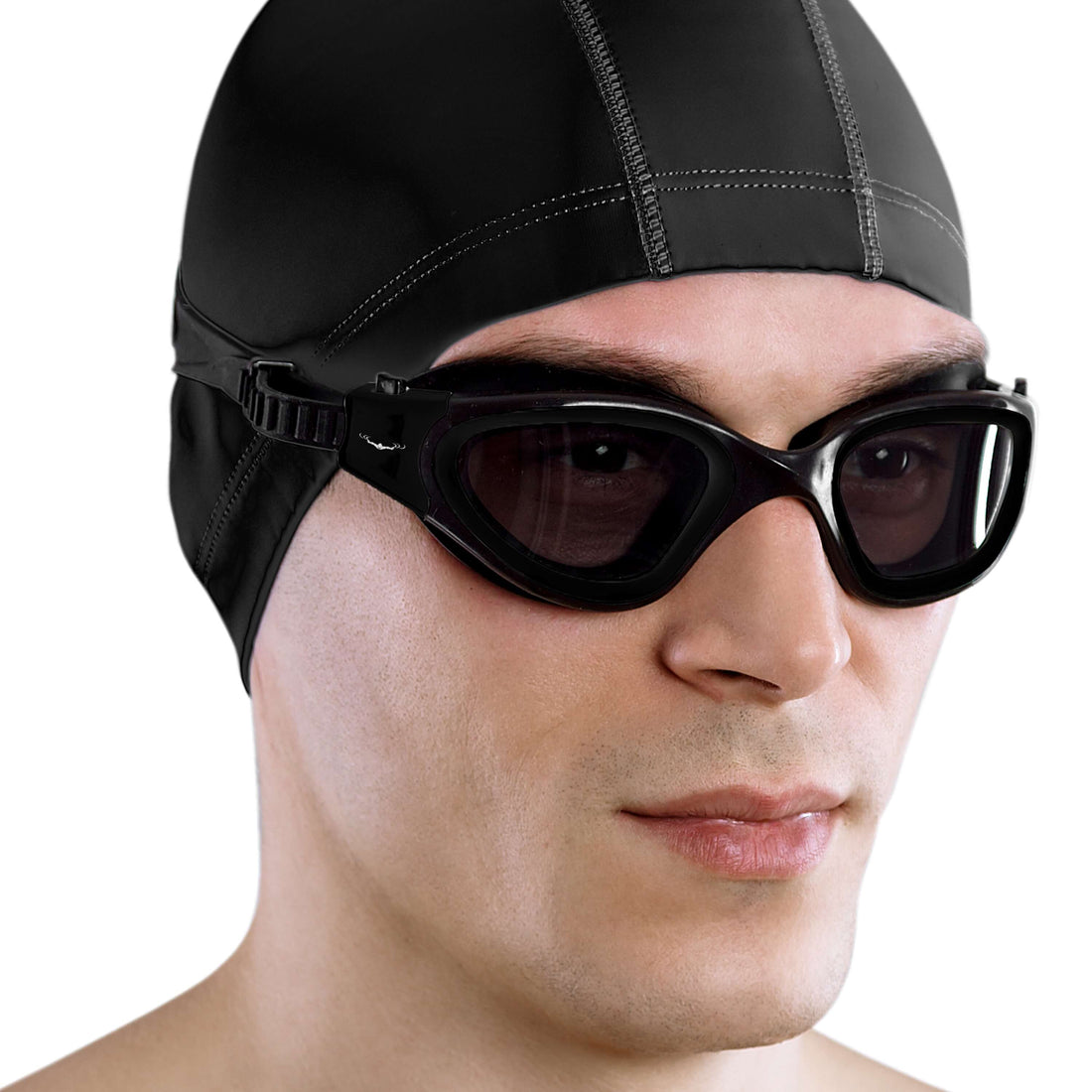
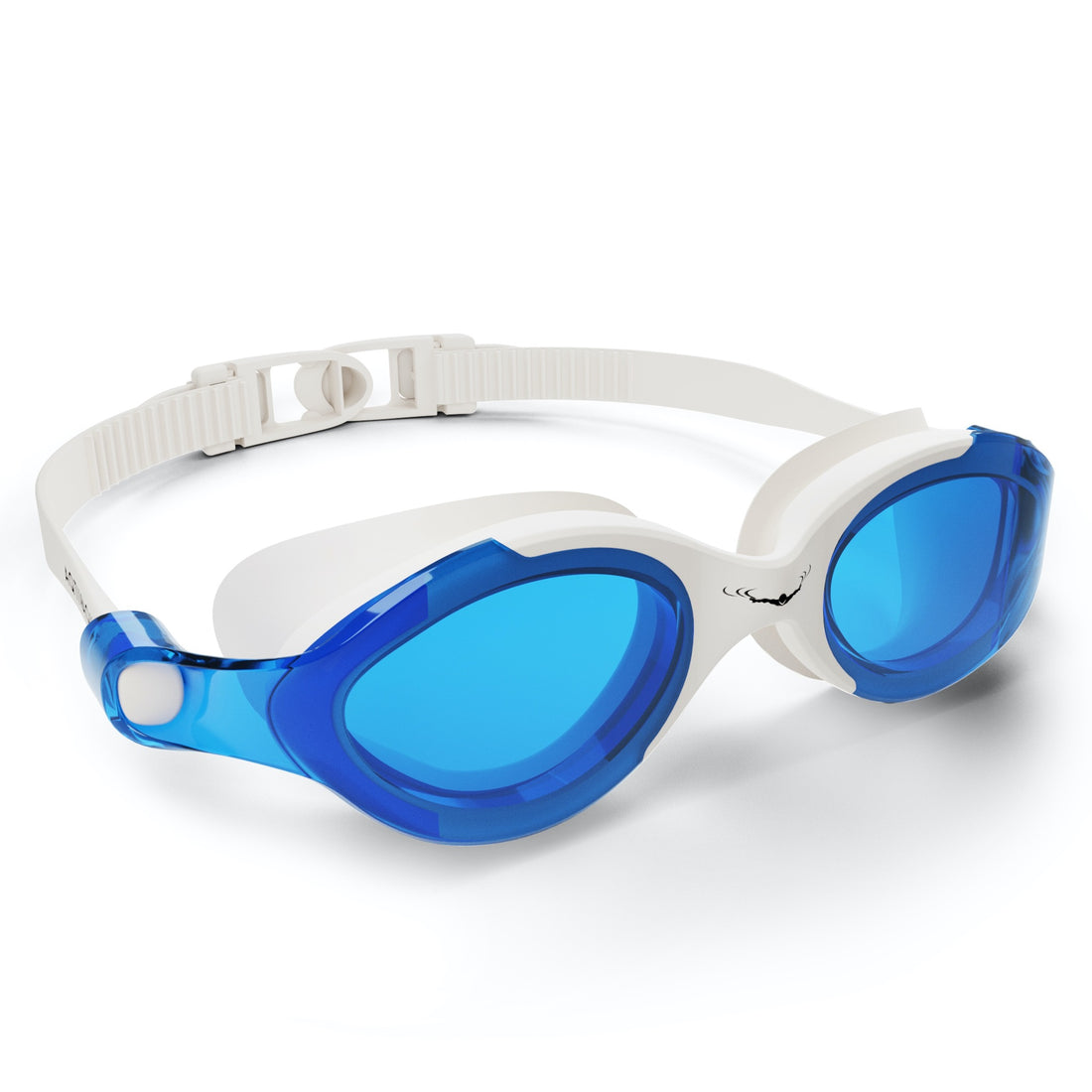
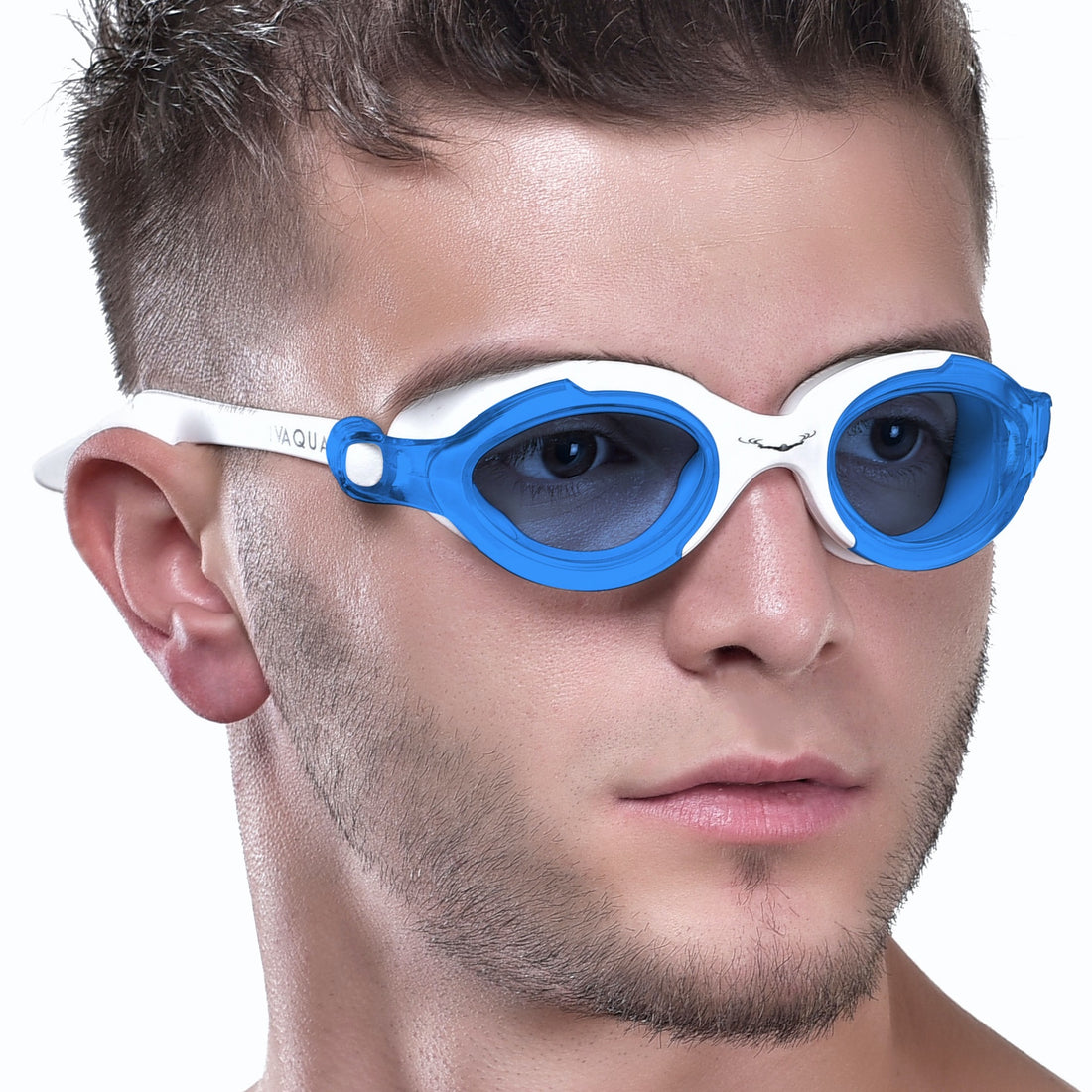
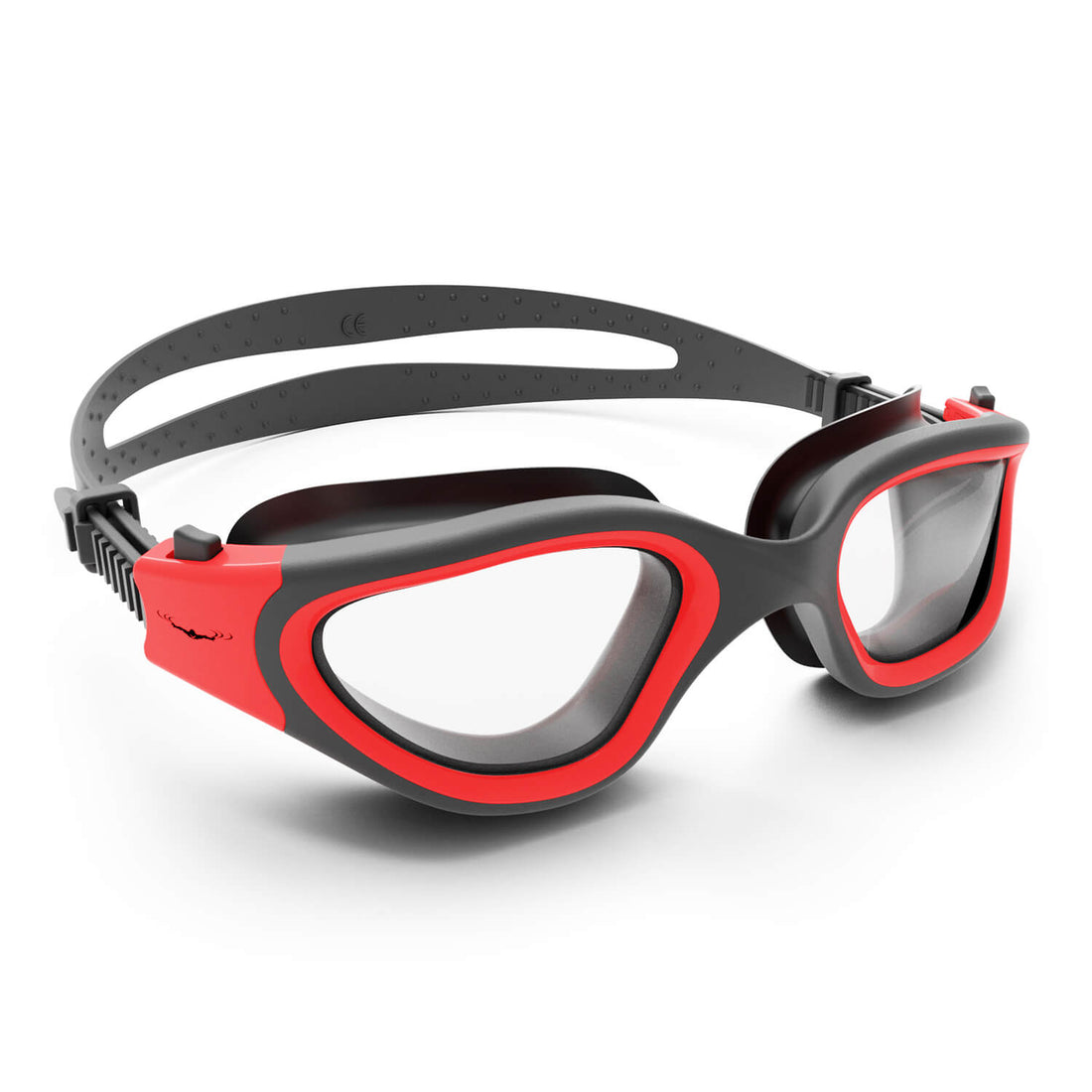
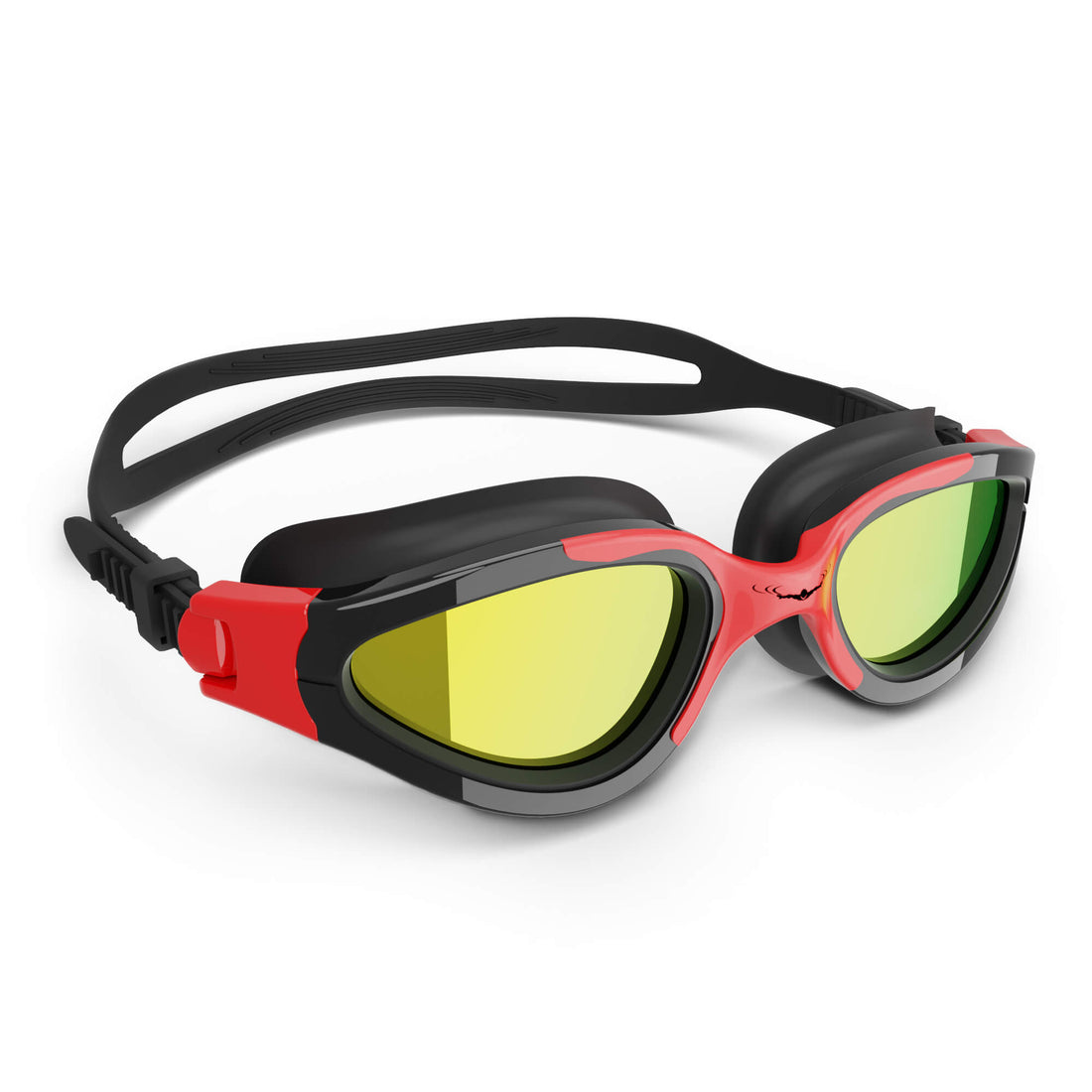
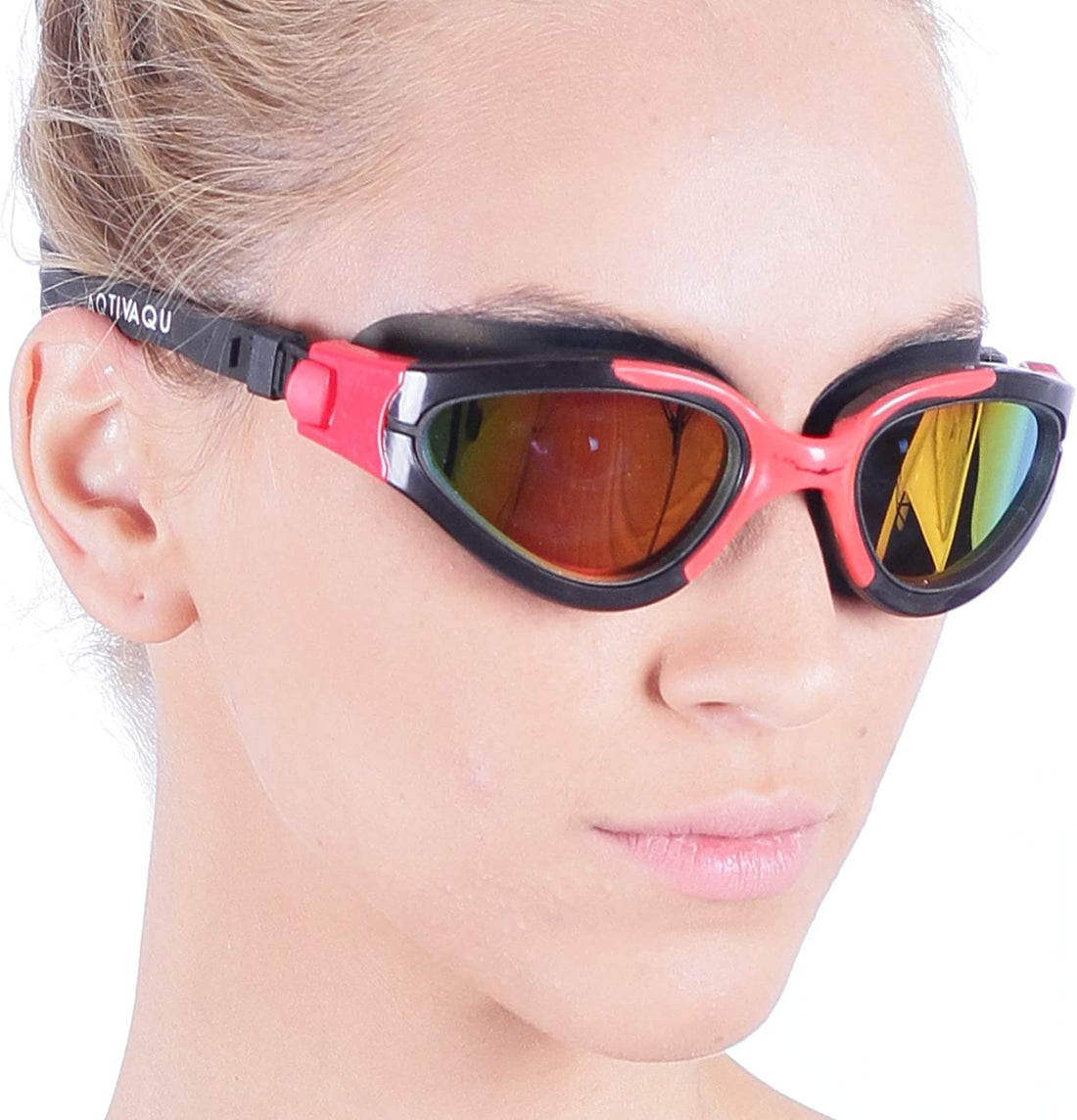
- Goggles: Good visibility underwater is crucial. Consider goggles that provide a wide field of vision, ensuring you can see your surroundings with ease.
- Swim Cap: A bright-colored swim cap can help keep you visible to others.
3. Get Acquainted with the Environment
Visit your planned swimming location beforehand. Walk along the shore and familiarize yourself with the entry and exit points, as well as any potential hazards such as rocks or strong currents.
Techniques for Open Water Swimming
Mastering specific techniques can significantly improve your open water swimming experience. Here are some essential techniques for open water swimming to keep in mind:
1. Sighting
Sighting refers to regularly lifting your head to look ahead and orient yourself during your swim. This is crucial in open water to ensure you're swimming in a straight line and heading towards your destination. Here are tips on how to practice effective sighting:
- Practice lifting your head while breathing during training swims.
- Set visual markers on land, such as buoys or landmarks, to help guide your swim.
- Maintain a steady rhythm to sight without disrupting your stroke significantly.
2. Breathing Techniques
Breath control in crowded or turbulent waters can be tricky. Practice bilateral breathing to ensure you can breathe on both sides. This technique will help you adapt to any swells and improve your endurance.
3. Drafting
Drafting involves swimming close behind another swimmer to reduce drag. This technique is particularly useful in competitive events. However, it requires practice to get comfortable swimming in close proximity to others while maintaining good sighting.
Safety First: Open Water Swimming Tips
Safety should always be your top priority. Here are some vital open water swimming tips to keep you safe during your adventures:
1. Never Swim Alone
Always swim with a buddy or within a group, especially if you're new to open water swimming. This not only increases safety but makes the experience more enjoyable.
2. Know Your Limits
Assess your swimming ability and choose a suitable distance. Start with shorter swims and slowly build up your confidence and endurance over time.
3. Wearing a Floatation Device
As an added safety measure, consider wearing a bright buoy or floatation device that allows you to be more visible to boaters and lifeguards.
Post-Swim Considerations
Once you've completed your swim, there are a few important steps to follow to ensure a positive experience:
1. Hydrate
Swimming in open water can be deceptively tiring, so it’s crucial to rehydrate afterward. Consume plenty of water to replenish lost fluids.
2. Stretch and Recover
Make sure to stretch post-swim to prevent soreness and maintain flexibility. Consider gentle yoga or dynamic stretching as part of your cool down.
3. Reflect on Your Experience
Take a moment to think about your swim. What went well? What could be improved? Reflecting on your experience will help you grow as a swimmer and prepare for your next open water adventure.
Join the Open Water Community
Engaging with fellow open water swimmers can help you gain insights, stay motivated, and foster a sense of community. Consider joining local swim clubs or online forums dedicated to outdoor swimming. These platforms frequently share tips, event announcements, and group swim opportunities.
1. Participate in Swim Events
Consider participating in local swim races or charity swims. These events can improve your skills and offer an exciting atmosphere with camaraderie among fellow swimmers.
2. Share Your Journey
Document your open water swimming journey on social media or through a blog. Sharing your experiences can inspire others and create connections with like-minded individuals.
Equip Yourself for Success
Finally, as you embark on your open water swimming journey, equip yourself with the knowledge and confidence to excel. Remember to practice regularly, focus on your techniques, and stay safe. With the right preparation and a positive mindset, you’ll not only master open water swimming but also enjoy every adventure it brings.
Remember, every great swimmer started somewhere. Whether you're just beginning or looking to enhance your skills, stay committed to your practice and have fun exploring the open waters. Your next swim could be the start of a thrilling new chapter in your swimming journey!
Frequently Asked Questions
1. What are some key differences between open water swimming and pool swimming?
2. What should I consider when preparing for an open water swim?
3. What is sighting, and why is it important in open water swimming?
4. What safety precautions should I take while open water swimming?
5. How can I engage with the open water swimming community?
Glossary
| Term | Meaning |
|---|---|
| Open Water Swimming | Swimming in outdoor bodies of water like oceans, lakes, or rivers. |
| Wetsuit | A suit made of neoprene that provides warmth and buoyancy. |
| Sighting | Lifting your head to orient yourself while swimming. |
| Drafting | Swimming closely behind another swimmer to reduce resistance. |
| Bilateral Breathing | Breathing on both sides during a swim for better adaptability. |
| Floatation Device | An item like a buoy to enhance visibility and safety. |
| Hydration | Replenishing fluids lost during swimming. |
| Stretching | Gentle exercises to prevent soreness post-swim. |
| Local Swim Clubs | Groups that provide community and support for swimmers. |
| Swim Events | Competitions or charity swims to enhance skills and camaraderie. |
Linked Product

DX Wide View Swim Goggles + SHOCK Protective Case
The DX Wide View Swim Goggles feature clear, untinted 180° polycarbonate lenses that provide true-color visibility in various lighting conditions, ensuring you can focus on your swimming technique. With advanced anti-fog technology and a comfortable, leak-free fit, these goggles are designed for both performance and convenience, allowing for quick adjustments even with wet hands. Additionally, the included SHOCK protective case offers durable storage with quick-dry features, making it a practical choice for any swimmer.
View Product