

Overview
Competitive swimming requires a comprehensive approach, including goal setting, structured training schedules, mastering techniques, using appropriate gear like swim goggles, strength and conditioning, proper nutrition, mental preparation, and recovery strategies. Success comes from dedication and enjoying the journey as much as the results.
Table of Contents
- The Foundation of Competitive Training
- Setting Goals
- Creating a Training Schedule
- Importance of Technique
- The Role of Swim Goggles
- Key Features to Look For
- Goggle Maintenance
- Strength and Conditioning
- Dryland Training
- Cardiovascular Conditioning
- Nutrition for Swimmers
- Balanced Diet
- Hydration
- The Mental Game
- Visualization Techniques
- Mindfulness and Focus
- Recovery is Key
- Active Recovery
- Rest and Sleep
- Show Up and Show Off
Key Takeaways
- Set Clear Goals: Establish both short-term and long-term objectives to track your progress and maintain accountability.
- Create a Training Schedule: Design a structured weekly routine that balances endurance, technique, and recovery.
- Master Swim Techniques: Focus on the specific techniques for each stroke to enhance efficiency and speed.
- Select the Right Swim Goggles: Choose goggles that fit well, offer anti-fog features, and provide a wide field of vision.
- Incorporate Strength Training: Add dryland exercises and cardiovascular workouts to improve overall fitness and performance.
- Prioritize Nutrition: Maintain a balanced diet rich in carbohydrates, proteins, and healthy fats, and stay hydrated.
- Focus on Mental Resilience: Use visualization and mindfulness techniques to enhance focus and confidence during competitions.
Competitive swimming is not just about slipping into a swimsuit and jumping into the pool. It’s a rigorous process that involves precise training, disciplined routines, and strategic planning. Whether you’re a novice looking to excel in your first meet or a seasoned swimmer aiming for podium finishes, understanding the nuances of competitive swimming training can make all the difference. In this article, we will explore effective training methods, mental preparations, techniques, and the importance of choosing the right gear, including essential swim goggles.
The Foundation of Competitive Training
Before diving into advanced techniques, it’s crucial to build a strong foundation. This includes understanding your body and identifying your strengths and weaknesses as a swimmer. Here’s how you can establish a solid groundwork:
Setting Goals
Your training starts with clear, realistic goals. Consider setting both short-term and long-term objectives. Short-term goals could include improving your lap time by a few seconds, while long-term goals could involve qualifying for state competitions. Documenting these goals can help keep you accountable.
Creating a Training Schedule
A well-structured training schedule is key to success. Here is a template to get you started:
- Monday: Endurance swim (Swim 2000 meters continuous)
- Tuesday: Sprint training (10x50 meters at max effort)
- Wednesday: Technique drills (focus on stroke refinement)
- Thursday: Aerobic training (1500 meters with active rest)
- Friday: Blocks and starts practice
- Saturday: Distance swim day (up to 3000 meters)
- Sunday: Rest and recovery
Importance of Technique
To differentiate yourself in competitive swimming, mastering proper techniques is crucial. Each stroke has distinct techniques that can maximize efficiency and speed:
- Freestyle: Focus on body position and arm rotation.
- Breststroke: Emphasize timing between pull and kick for generating speed.
- Butterfly: Maintain a fluid body rhythm with equal emphasis on both arms.
- Backstroke: Practice balancing your body for smooth movements.
The Role of Swim Goggles
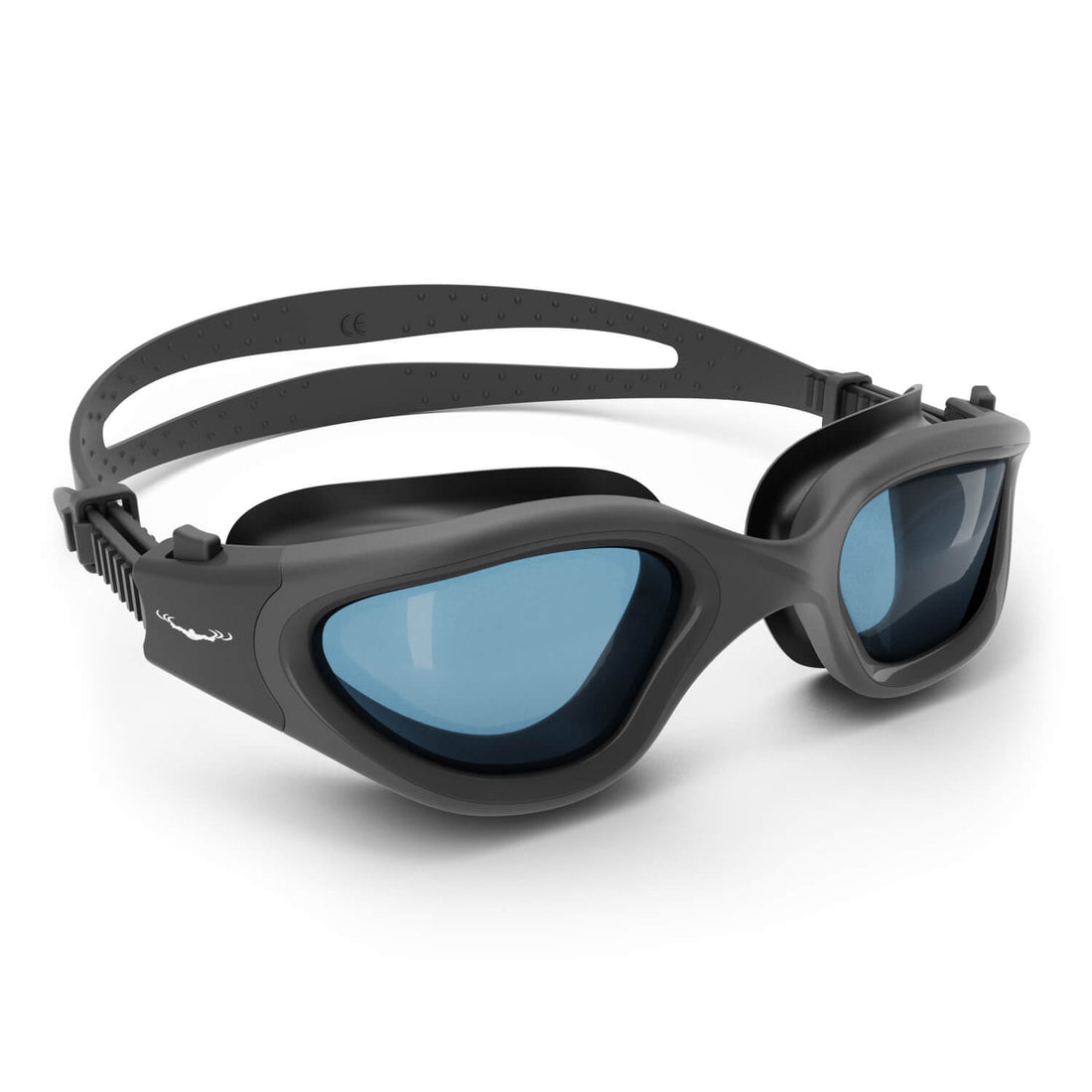
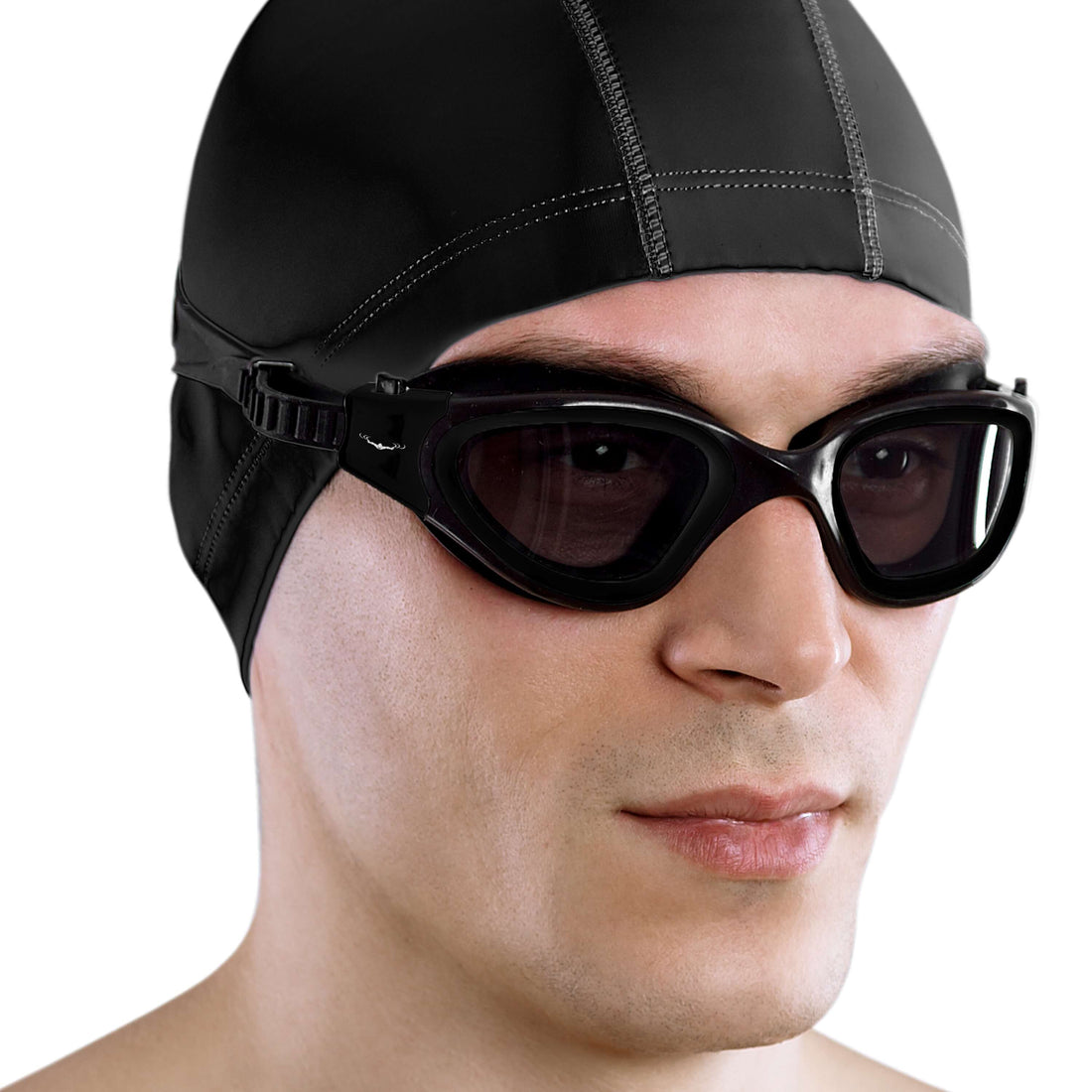
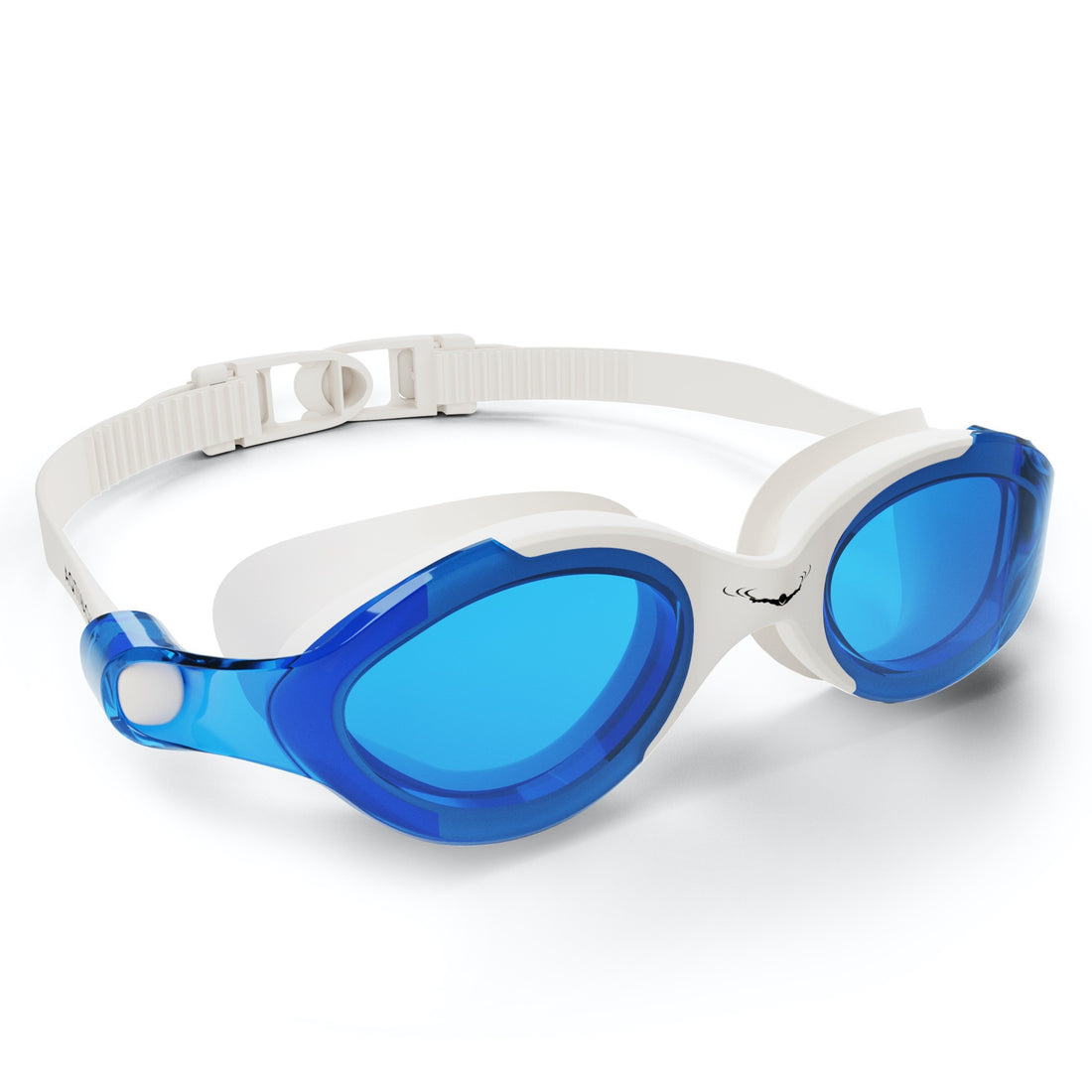
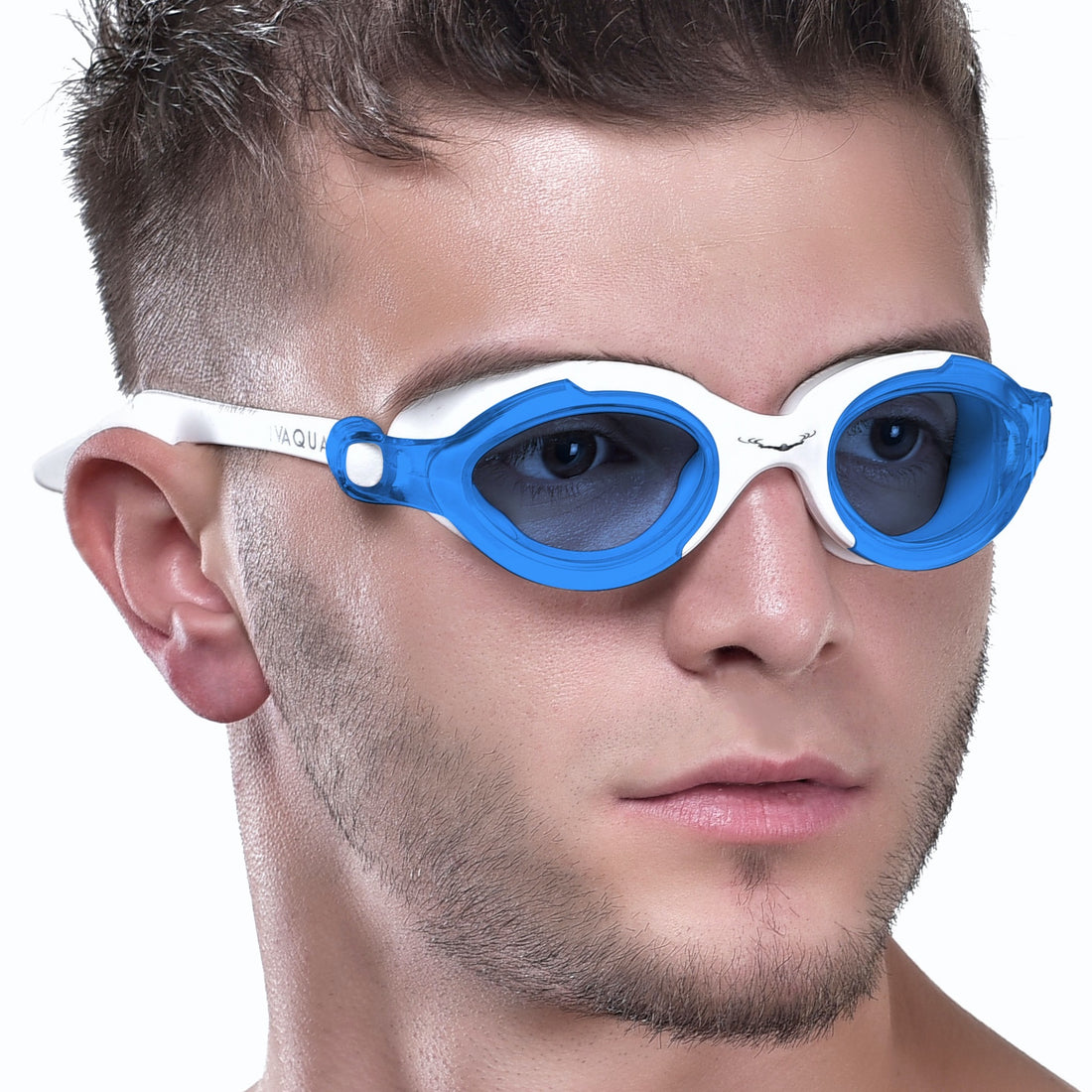
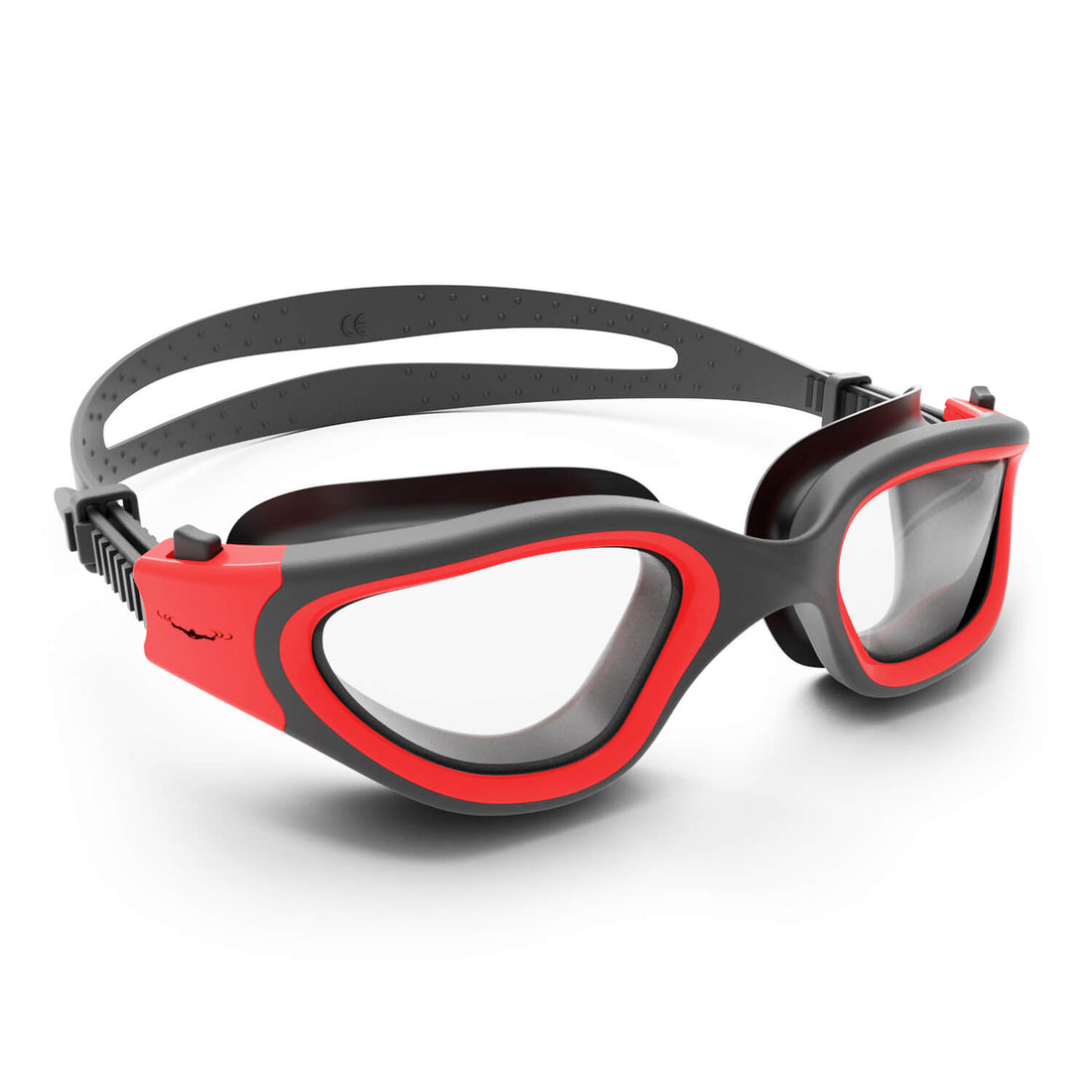
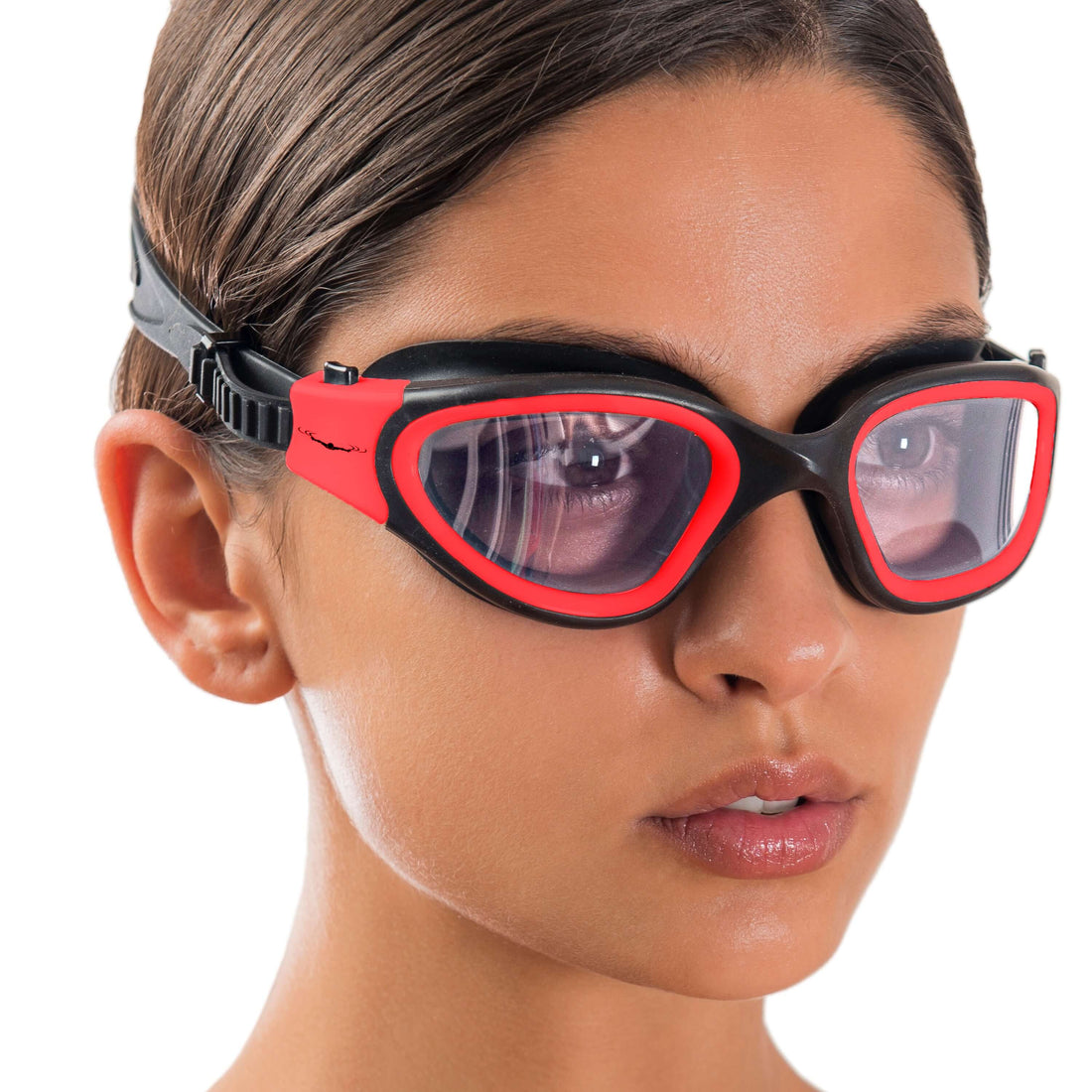
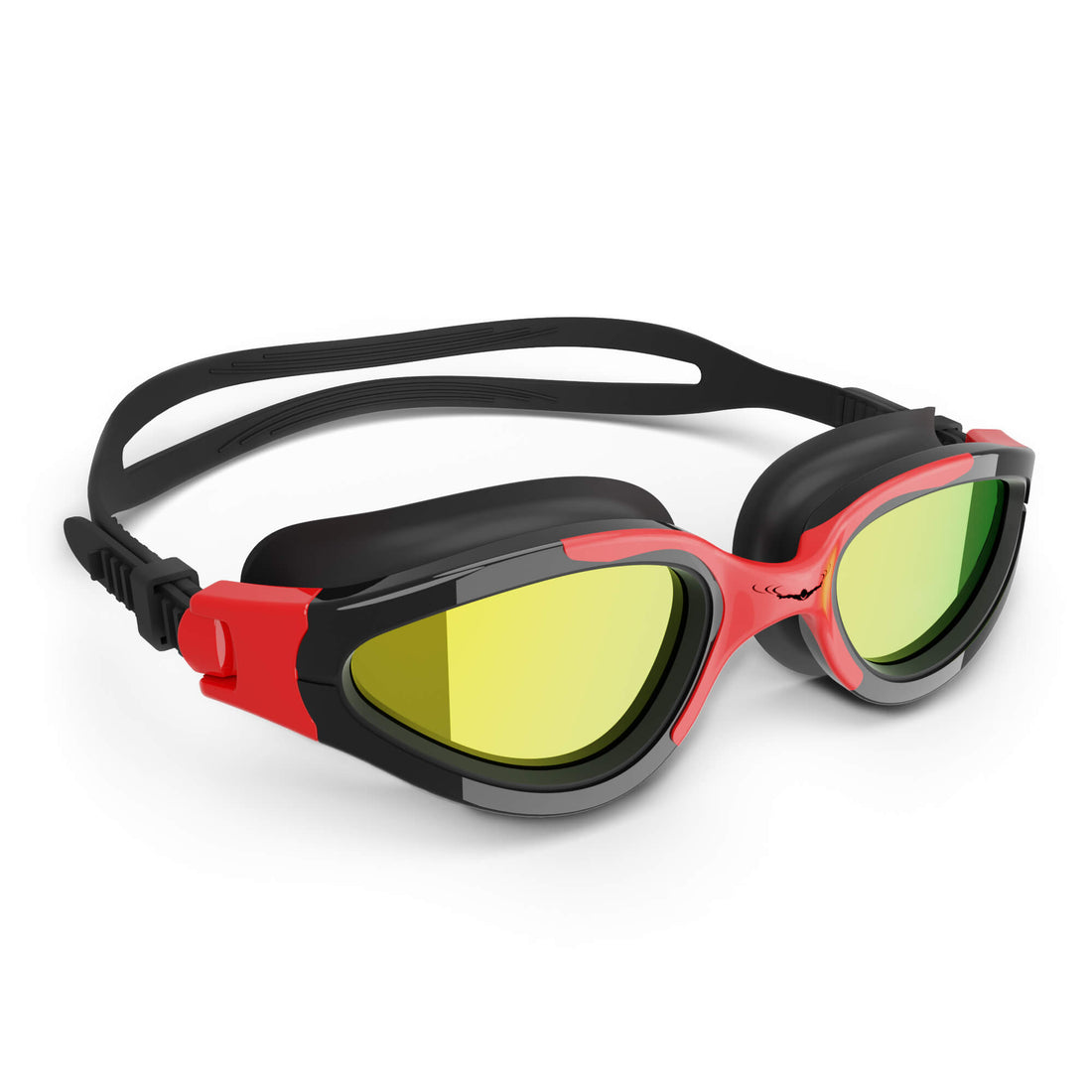
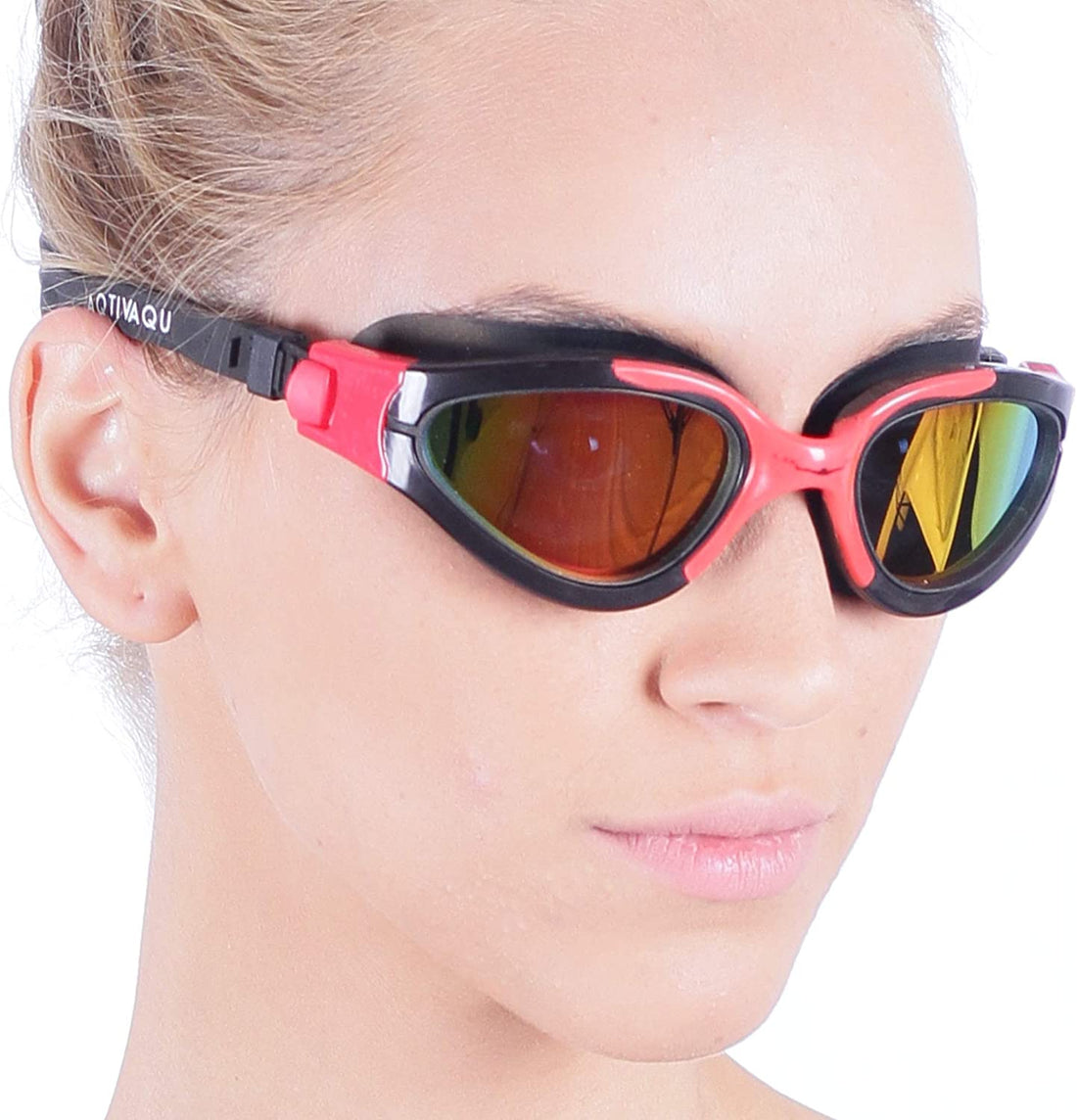
Swim goggles are more than just a supplement for visibility in the water; they are essential for enhancing performance. Choosing the right swim goggles can make a significant difference in your training sessions.
Key Features to Look For
When selecting swim goggles, consider the following features:
- Fit: Ensure a comfortable but snug fit to prevent water leakage.
- Lens Type: Anti-fog coatings and UV protection can enhance visibility and safety.
- Strap Adjustability: Look for adjustable straps for personalized comfort.
- Wide Vision: Opt for goggles that offer a panoramic view, improving situational awareness during competitions.
Goggle Maintenance
Proper care of your swim goggles can ensure longevity and performance. Here are some tips:
- Rinse with fresh water after each use to remove chlorine.
- Store in a protective case to avoid scratches.
- Consider anti-fog sprays for clear visibility during races.
Strength and Conditioning
Swimming alone isn’t sufficient for peak performance. Incorporating strength and conditioning workouts can significantly improve your overall strength, endurance, and flexibility. Here are a few workouts to integrate into your routine:
Dryland Training
Dryland training includes exercises performed outside the pool and is a critical part of any swimmer’s program. Effective dryland exercises for swimmers might include:
- Push-Ups: Builds upper body strength.
- Planks: Improves core stability.
- Squats: Strengthens legs for powerful kicks.
- Resistance Bands: Enhances swim-specific muscle groups.
Cardiovascular Conditioning
To enhance stamina and lung capacity, engage in cardiovascular workouts like:
- Running or jogging
- Cycling
- High-Intensity Interval Training (HIIT)
Nutrition for Swimmers
Nutrition plays an essential role in a swimmer's training regimen. Eating the right foods is vital for maintaining energy levels and improving performance. Here’s what to consider:
Balanced Diet
A swimmer's diet should be rich in:
- Carbohydrates: For energy (whole grains, fruits, and vegetables).
- Proteins: For muscle repair and growth (lean meat, dairy, plant-based proteins).
- Fats: For sustained energy (healthy fats from nuts, seeds, and avocados).
Hydration
Maintain proper hydration by drinking water throughout the day. Swimmers often underestimate the importance of hydration, but it can significantly impact both performance and recovery. Incorporate electrolyte-rich drinks during intensive training sessions to replenish lost minerals.
The Mental Game
Swimming is as much a mental sport as it is physical. Developing mental resilience can give you a competitive edge. Here are mental strategies you can employ:
Visualization Techniques
Visualizing successful performances can boost confidence and improve outcomes. Picture yourself executing the perfect race, from the start block to the finish line. Visualization helps your brain to rehearse movements and promotes positive thinking.
Mindfulness and Focus
Cultivate a mindful approach to training to enhance mental focus. Techniques like breath control during workouts and meditation can help you remain calm and centered under pressure.
Recovery is Key
Training hard is important, but equally crucial is recovery. Muscles need time to heal and grow stronger. Here are some effective recovery strategies:
Active Recovery
Engage in low-impact activities such as yoga, stretching, or simply light swimming on rest days to maintain flexibility while promoting recovery.
Rest and Sleep
Sufficient sleep is an athlete’s best friend. Aim for 7-9 hours of quality sleep each night to allow your body to recover, repair, and rejuvenate.
Show Up and Show Off
Competing in a swim meet is the culmination of your hard work and dedication in training. It’s an opportunity to test your skills, compete against others, and showcase the results of your effort. Remember to focus on the experience and learn, regardless of the outcome.
Training for competitive swimming events involves more than just time in the pool. By establishing goals, refining techniques, focusing on physical conditioning, ensuring proper nutrition, mental preparation, and recovery, you will set yourself up for success. Remember, enjoying the journey is as important as achieving the end goal, so dive in with passion and perseverance!
Frequently Asked Questions
1. What is the main focus of competitive swimming training?
2. How important is technique in competitive swimming?
3. What are the key features to consider when choosing swim goggles?
4. Why is nutrition important for swimmers?
5. What role does mental preparedness play in competitive swimming?
Glossary
| Term | Meaning |
|---|---|
| Competitive Swimming | A sport involving racing in water using various strokes. |
| Training Schedule | A structured plan outlining daily workouts and goals. |
| Technique | Specific methods used to enhance swimming efficiency. |
| Swim Goggles | Protective eyewear that improves visibility underwater. |
| Dryland Training | Exercises performed outside the pool to build strength. |
| Nutrition | Dietary practices essential for energy and recovery. |
| Hydration | Maintaining fluid balance to support performance. |
| Visualization | Mental technique for enhancing performance confidence. |
| Active Recovery | Low-impact activities to promote muscle recovery. |
| Rest and Sleep | Essential recovery practices for athletes' performance. |
Linked Product

DX Wide View Swim Goggles + SHOCK Protective Case
The DX Wide View Swim Goggles feature clear, untinted 180° polycarbonate lenses that provide true-color visibility, making them ideal for indoor and low-light swimming environments. With advanced anti-fog technology and a secure, leak-free fit, these goggles ensure comfort and clarity during intense training sessions. The included SHOCK protective case allows for quick-dry storage, enhancing the longevity of the goggles and keeping them in excellent condition.
View Product