

Overview
This article provides a comprehensive guide for beginners struggling with swim anxiety, offering practical strategies and psychological insights to help them overcome their fears. Readers will learn about the common triggers of swim anxiety, effective techniques to build confidence in the water, and the importance of supportive environments and routines. By the end, they will be equipped to embrace swimming and enjoy its numerous benefits.
Table of Contents
- Understanding Swim Anxiety
- Building Your Confidence in the Water
- Start Gradually
- Take Swimming Lessons
- Practice Relaxation Techniques
- Equipment That Can Help Alleviate Fears
- Swim Caps
- Goggles & Clear Visibility
- Shock Protective Case for Goggles
- Surround Yourself with Support
- Establish a Routine
- Mindfulness and Mental Preparation
- Stay Present
- Challenge Negative Thoughts
- The Final Stretch: Embracing Your Journey
Key Takeaways
- Identify Triggers: Recognize common sources of swim anxiety, such as fear of drowning and judgment from others.
- Start Gradually: Begin in shallow water to build trust in your swimming abilities before moving to deeper areas.
- Take Swimming Lessons: Enroll with a certified instructor to gain essential skills and confidence in a supportive environment.
- Practice Relaxation Techniques: Use deep breathing, visualization, and progressive muscle relaxation to calm your nerves before swimming.
- Utilize Supportive Equipment: Invest in swim caps and goggles that enhance comfort and visibility, helping to ease anxiety.
- Establish a Routine: Create a consistent swimming schedule to foster familiarity and reduce uncertainty in the water.
- Challenge Negative Thoughts: Replace anxious thoughts with positive affirmations and focus on past successes to build confidence.
Swimming is a beautiful and invigorating sport, but for many beginners, the thought of getting into the water can induce feelings of anxiety. Understanding how to combat swim anxiety can help you enjoy the water fully and harness the countless benefits of swimming. In this comprehensive guide, we’ll explore practical strategies, beneficial tools, and psychological insights to help you overcome your fears and develop a love for the water.
Understanding Swim Anxiety
Swim anxiety can stem from various sources. Fear of drowning, lack of experience, or negative past experiences can all contribute to feelings of discomfort in the water. Understanding the nature of your anxiety is the first step toward overcoming it. Here are some common triggers:
- Fear of Drowning: This is perhaps the most common fear associated with swimming. Many beginners worry about deep water and their ability to stay afloat.
- Lack of Control: The inability to predict what will happen while swimming can create feelings of anxiety.
- Judgment from Others: The thought of being observed while learning can be intimidating, often amplifying feelings of self-consciousness.
- Previous Negative Experiences: A traumatic event related to swimming, such as a close call or an overwhelming experience, can linger in one’s memory and create lasting fear.
Building Your Confidence in the Water
Developing confidence in the water is crucial for overcoming swim anxiety. Here are some strategies to help you build that confidence:
Start Gradually
Begin your swimming journey in a controlled environment. Start in shallow water where you can touch the bottom, and gradually move to deeper areas as you feel more comfortable. This gradual exposure helps you build trust in your swimming abilities.
Take Swimming Lessons
Enrolling in swimming lessons with a certified instructor can be immensely beneficial. A professional can provide you with the skills and knowledge necessary to feel secure in the water. Lessons also allow beginners to learn at their own pace in small groups or even one-on-one settings.
Practice Relaxation Techniques
Incorporating relaxation techniques into your routine can help alleviate anxiety. Consider the following methods:
- Deep Breathing Exercises: Practice taking slow, deep breaths while in or around water. This can calm your nerves.
- Visualization: Before entering the water, visualize a serene swimming experience. Imagine yourself gliding effortlessly, feeling relaxed and confident.
- Progressive Muscle Relaxation: Tense and then relax different muscle groups to release tension before swimming.
Equipment That Can Help Alleviate Fears
Using certain swimming gear can help ease your anxieties. Below are some essential items to consider:
Swim Caps
Swim caps are not just for competitive swimmers. They can help reduce drag and keep your hair out of your face, allowing you to focus solely on your swim. Additionally, some swim caps keep your head warm, especially in cooler water, enhancing your overall comfort.
Goggles & Clear Visibility
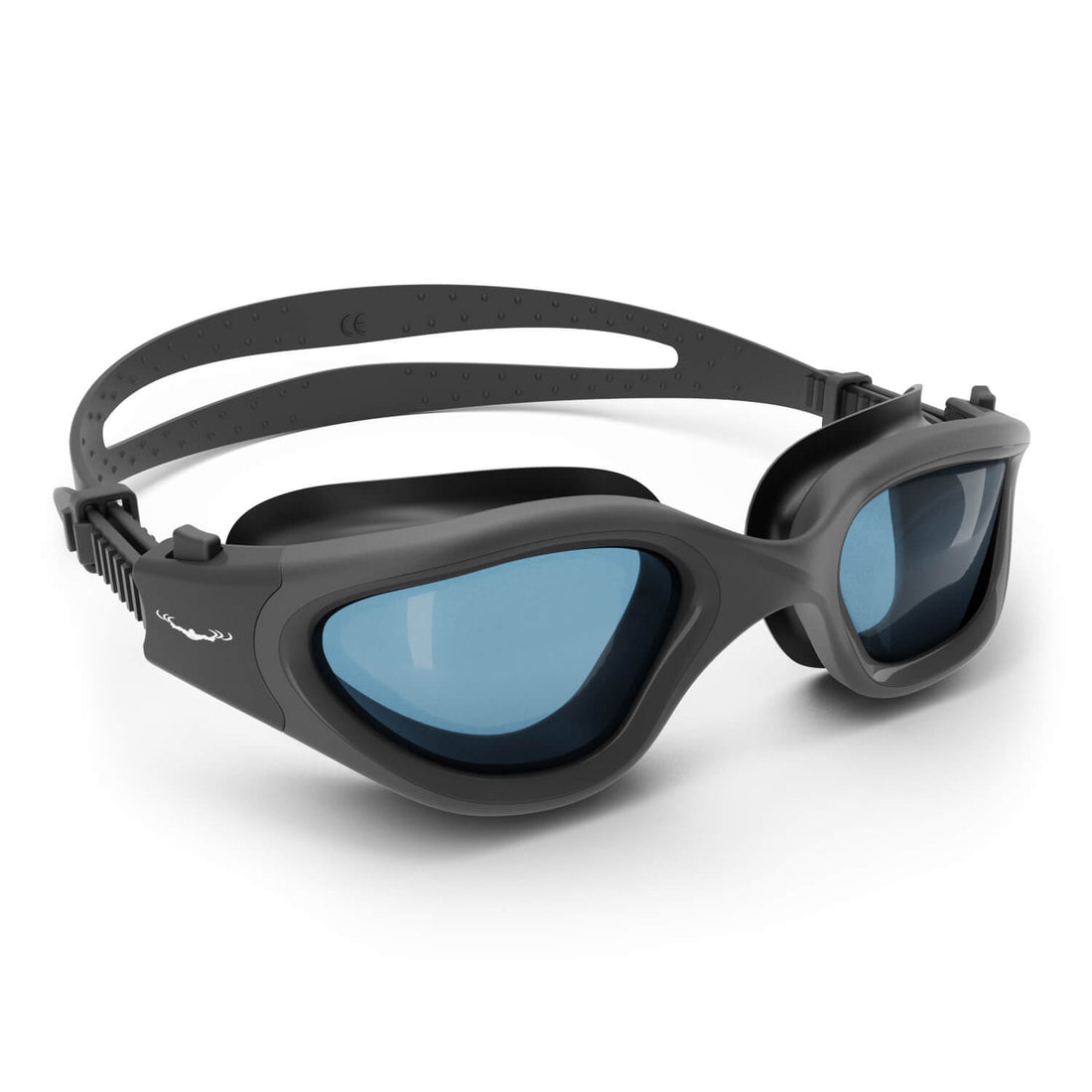
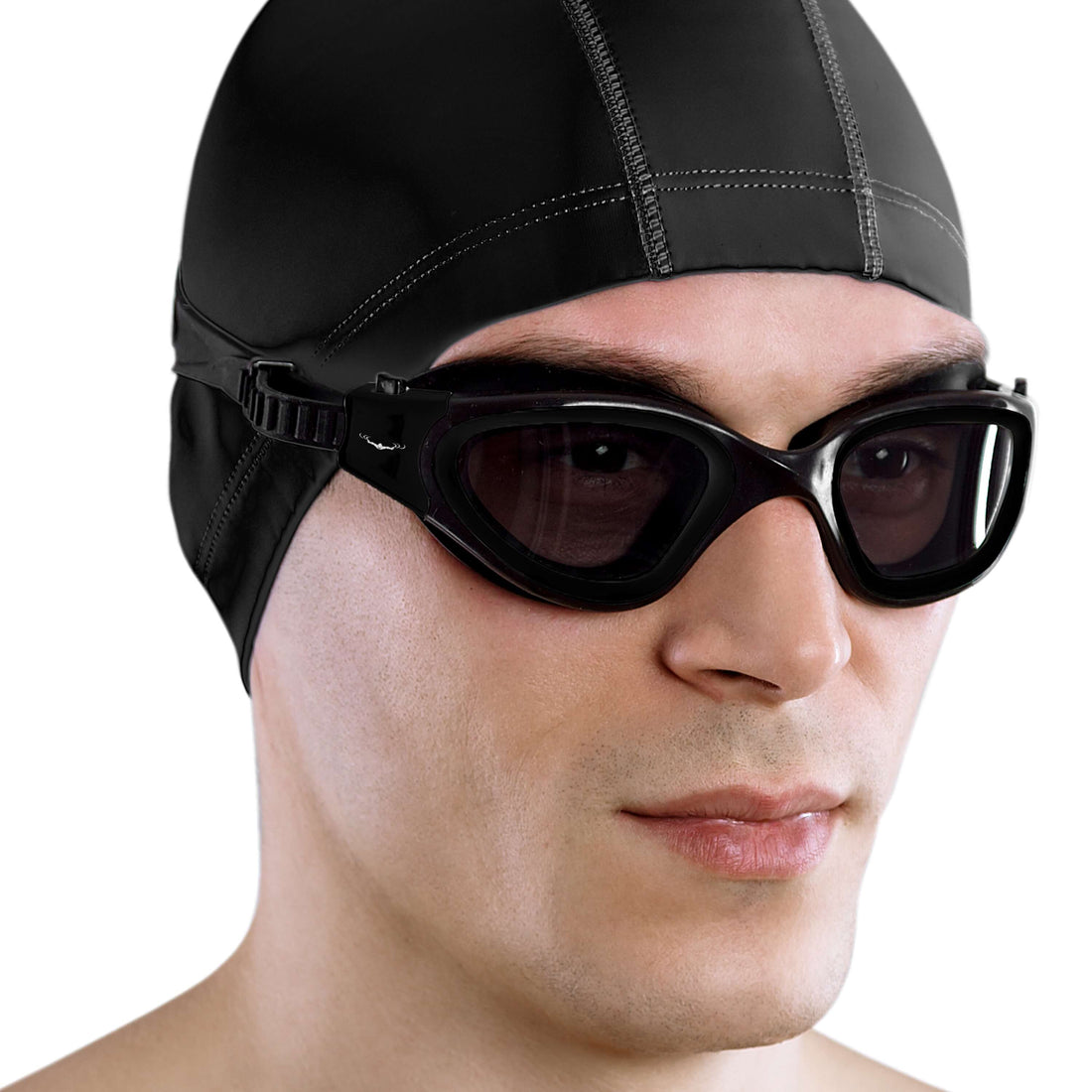
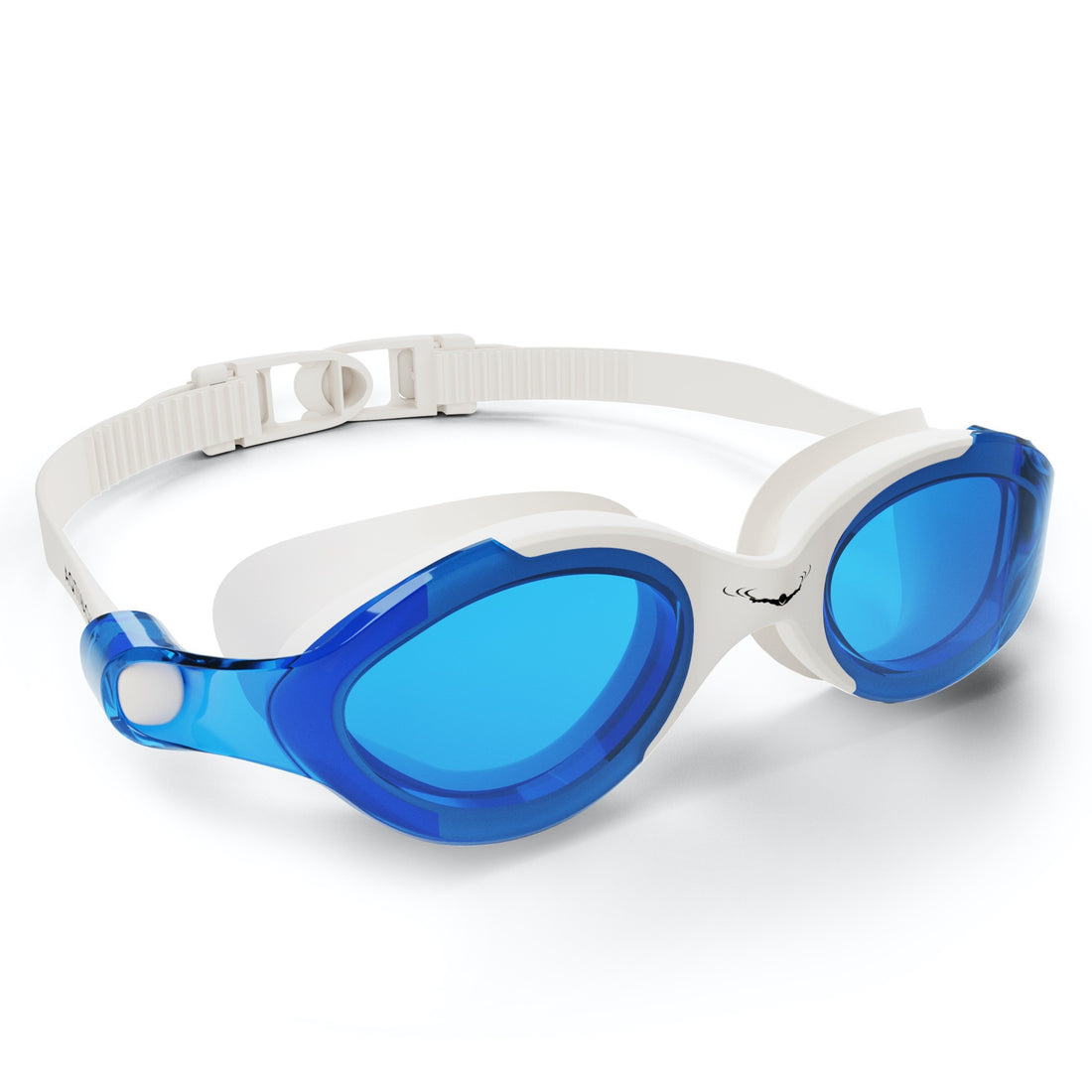
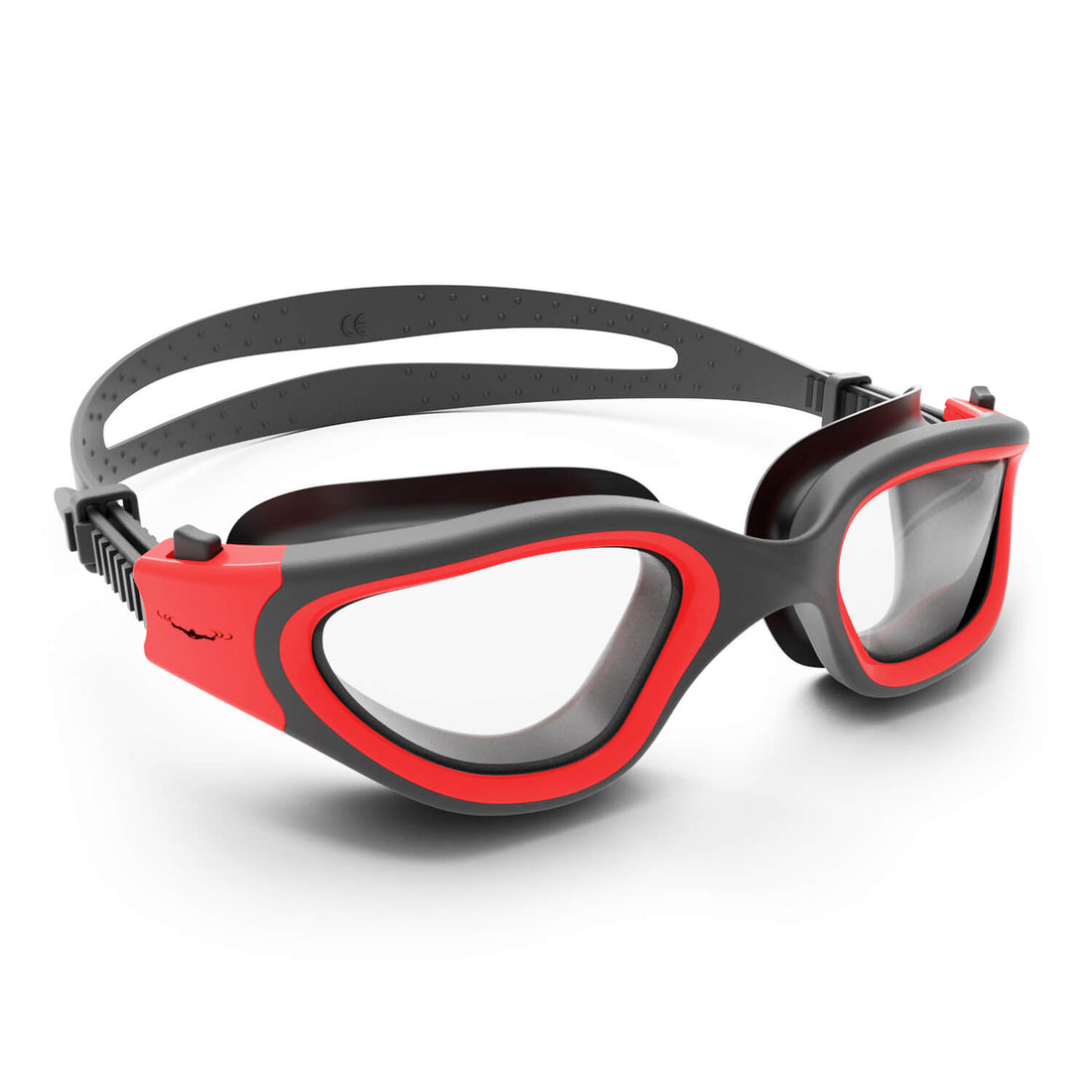
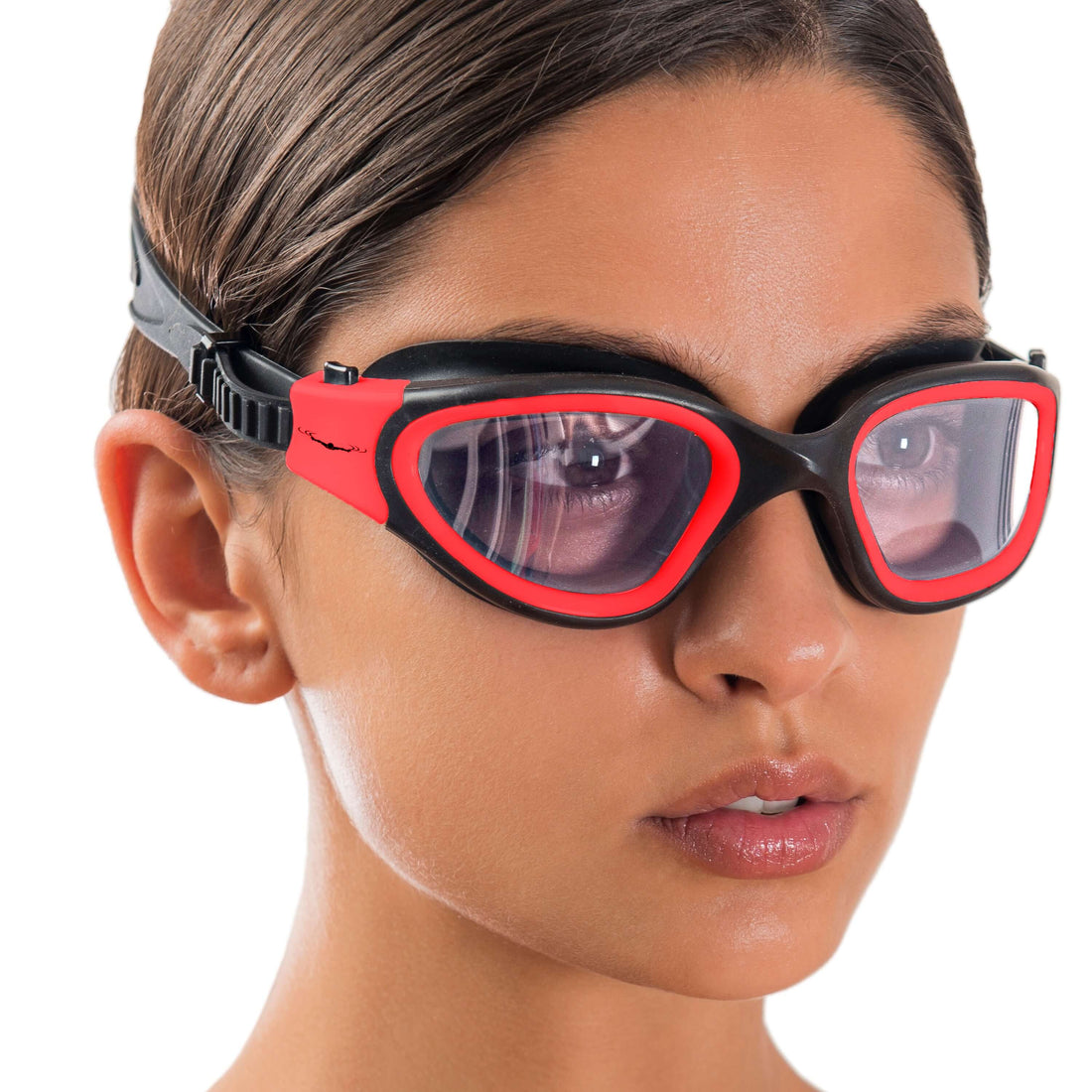
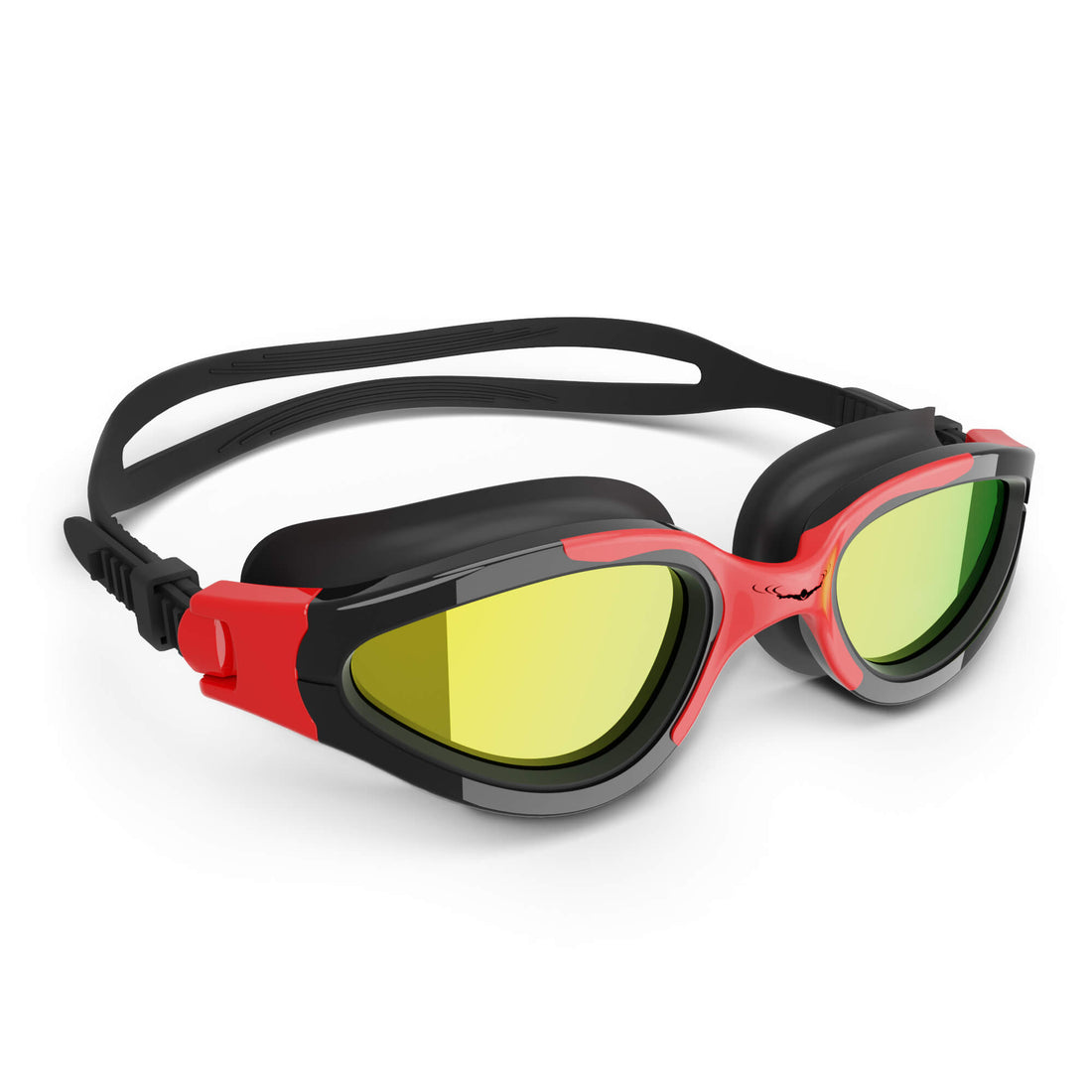
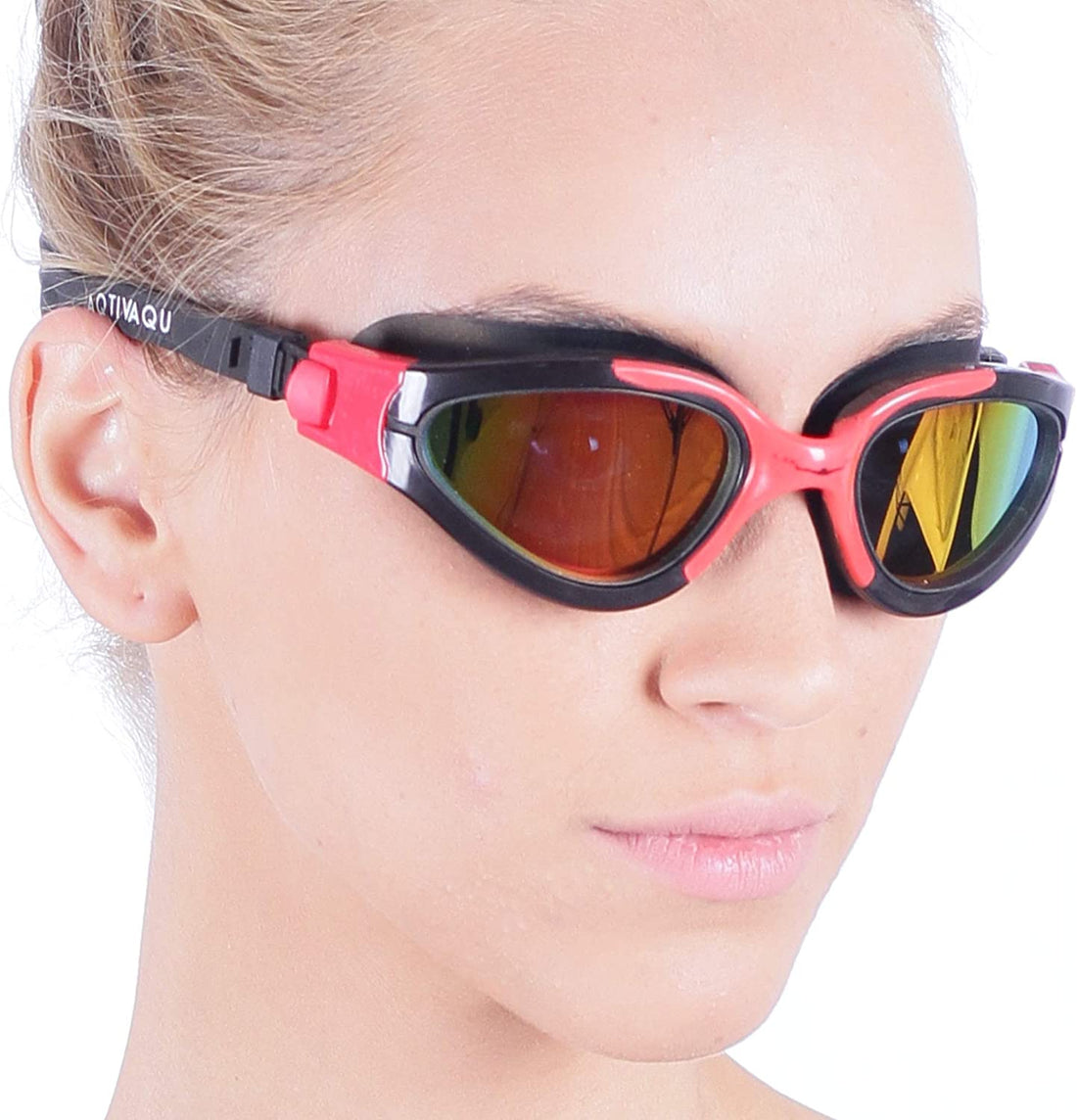
Using the right pair of goggles can make a significant difference in your swimming experience. A pair like the DX Wide View Swim Goggles offers clear, untinted 180° polycarbonate lenses that provide true-color visibility. This feature is particularly beneficial for indoor pools and low-light environments where visibility may be limited. Moreover, the advanced anti-fog capabilities ensure that your vision remains sharp both above and below the water.
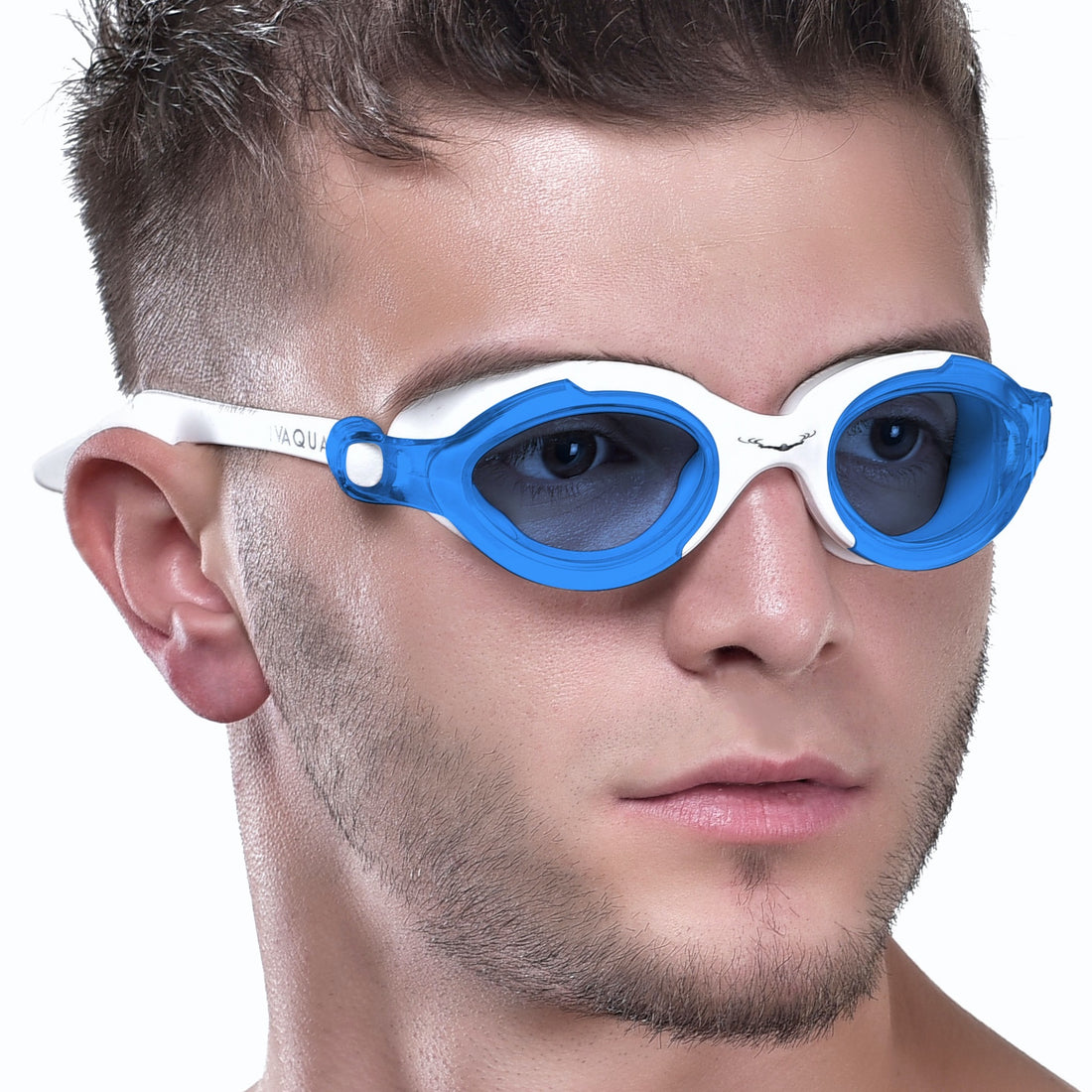
Another essential aspect of swim goggles is comfort. The DX goggles come with soft, flexible double-seals that adapt to your face for leak-free security without pressure marks. This is crucial for beginners who may already feel discomfort when learning to swim, as a secure fit can improve confidence and reduce anxiety.
Shock Protective Case for Goggles
After your swim session, store your goggles in a dependable shock protective case for goggles. This not only protects your gear from damage but also allows for quick-dry storage, making your post-swim routine smoother and less stressful. Knowing your equipment is safe can alleviate some of the anxiety that comes with swimming.
Surround Yourself with Support
Having a supportive swimming environment can encourage you to tackle your swim anxiety. Surround yourself with friends, family, or a swimming community that fosters encouragement and positivity. Sharing your experiences, fears, and triumphs with others can provide accountability and motivate you to keep progressing.
Establish a Routine
Creating a consistent swimming routine can also help reduce anxiety. Regular practice allows you to create familiarity with the water, alleviating feelings of uncertainty. A routine might include:
- **Scheduled Swim Days:** Pick specific days and times to swim, making it a regular part of your life.
- **Focus on Technique:** Spend time working on your techniques, such as strokes and breathing, which can sharpen your skills and increase confidence.
- **Set Achievable Goals:** Create small, realistic goals for each session to track your progress and celebrate achievements.
Mindfulness and Mental Preparation
Your mindset plays a significant role in overcoming swim anxiety. Here are some mental strategies to incorporate into your swimming journey:
Stay Present
Focusing on the current moment helps alleviate anxious thoughts. Concentrate on the feeling of water on your skin, your breath in the water, and the movements of your body while swimming. This mindfulness approach can distract you from anxious thoughts and instead lead to a more enjoyable experience.
Challenge Negative Thoughts
When anxious thoughts creep in, recognize them and challenge their validity. Replace them with positive affirmations or reminders of previous successes in the water. Educate yourself about swimming, understanding that everyone has had to overcome their own struggles at some point.
The Final Stretch: Embracing Your Journey
Overcoming swim anxiety is not an overnight process, but with time, patience, and consistent practice, you can achieve your swimming goals. Embrace the journey, and remember that it’s perfectly normal to feel anxiety—what matters is how you choose to move forward in spite of it. Each small step you take builds your confidence and brings you closer to the enjoyment of swimming.
So grab your swim cap, get your goggles ready, and dive in! The water is waiting for you, and there is a world of wonder awaiting your exploration. Swim on, and let your fears float away!
Frequently Asked Questions
1. What is swim anxiety?
2. How can I build my confidence in the water?
3. What equipment can help alleviate swim anxiety?
4. How can mindfulness help with swim anxiety?
5. What are some strategies for establishing a routine to reduce swim anxiety?
Glossary
| Term | Meaning |
|---|---|
| Swim Anxiety | Fear or discomfort experienced by individuals when swimming. |
| Fear of Drowning | Common fear among beginners about losing control in deep water. |
| Swimming Lessons | Structured instruction to improve swimming skills and confidence. |
| Relaxation Techniques | Methods used to reduce anxiety, such as deep breathing or visualization. |
| Swim Caps | Headgear that helps reduce drag and keeps hair out of the face. |
| Goggles | Eyewear that enhances visibility and protects eyes while swimming. |
| Shock Protective Case | Storage for goggles that prevents damage and allows quick drying. |
| Mindfulness | Focusing on the present moment to alleviate anxious thoughts. |
| Achievable Goals | Small, realistic targets set to track progress in swimming. |
Linked Product

DX Wide View Swim Goggles + SHOCK Protective Case
The DX Wide View Swim Goggles feature clear 180° polycarbonate lenses designed for true-color visibility in various lighting conditions, allowing swimmers to focus on their technique. With advanced anti-fog technology and a secure, adjustable fit, these goggles ensure leak-free comfort during intense swimming sessions. The included SHOCK protective case provides durable and quick-dry storage, making it a practical choice for regular use.
View Product