

Overview
Swimming offers a unique blend of physical and mental health benefits, making it an ideal addition to any fitness routine. Its low-impact nature allows for a full-body workout that enhances strength, endurance, and flexibility while also promoting mental clarity and reducing stress. By setting clear goals and integrating swimming with other activities, you can maximize your fitness potential and enjoy a refreshing way to stay active.
Table of Contents
- Understanding the Benefits of Swimming for Fitness
- 1. Full-Body Workout
- 2. Low Impact, High Reward
- 3. Cardiovascular Benefits
- 4. Mental Health & Well-being
- How to Integrate Swimming into Your Workouts
- 1. Set Clear Goals
- 2. Create a Swimming Schedule
- 3. Combine Swimming with Other Activities
- 4. Focus on Technique
- Making the Most of Your Swim Sessions
- 1. Warm-Up and Cool Down
- 2. Include Interval Training
- 3. Set Milestones and Track Progress
- Overcoming Common Obstacles to Swimming for Fitness
- 1. Fear of Water
- 2. Access to Swimming Facilities
- 3. Time Constraints
- Wrapping It All Up
Key Takeaways
- Full-Body Workout: Swimming engages multiple muscle groups, enhancing strength, endurance, and flexibility.
- Low Impact Exercise: Ideal for individuals with joint pain or injuries, swimming minimizes strain while providing effective workouts.
- Cardiovascular Health: Regular swimming boosts heart rate, improving endurance, circulation, and overall heart health.
- Mental Well-Being: The rhythmic nature of swimming helps relieve stress, reduce anxiety, and enhance mood.
- Structured Goals: Setting clear objectives for swimming can help tailor workouts to meet specific fitness aspirations.
- Combine Activities: Pair swimming with strength training, yoga, or other cardio for a balanced fitness approach.
- Track Progress: Setting milestones and tracking improvements, such as lap times or stroke mastery, can boost motivation.
In recent years, there has been a growing recognition of swimming in fitness regimens as an essential component of a well-rounded exercise program. With its low-impact nature and full-body workout potential, swimming not only enhances physical fitness but also contributes to mental well-being. In this article, we will explore the myriad benefits of swimming for fitness and provide practical tips on how to effectively integrate swimming into your workout routine.
Understanding the Benefits of Swimming for Fitness
Swimming is often seen as a recreational activity, but its benefits extend far beyond leisurely laps in the pool. Here are some compelling reasons why incorporating swimming into your fitness regimen is a smart choice:
1. Full-Body Workout
One of the most significant advantages of swimming is that it engages multiple muscle groups simultaneously. Whether you’re performing freestyle, breaststroke, or backstroke, every stroke involves your arms, legs, core, and back. This comprehensive workout leads to:
- Enhanced muscle strength
- Improved endurance
- Better flexibility
2. Low Impact, High Reward
Swimming is often recommended for individuals suffering from joint pain or injuries because it is low impact. The buoyancy of water reduces the strain on joints, making it an ideal form of exercise for those recovering from injuries or looking to prevent future ones. This unique aspect also makes swimming suitable for individuals of all ages and fitness levels.
3. Cardiovascular Benefits
Regular swimming improves cardiovascular health significantly. As a form of aerobic exercise, swimming increases your heart rate, which helps to:
- Boost endurance
- Enhance circulation
- Regulate blood pressure
With consistent practice, swimmers can experience improved lung capacity and overall heart health, allowing for more effective and efficient workouts.
4. Mental Health & Well-being
The rhythmic nature of swimming combined with the soothing properties of water makes it an excellent activity for relieving stress. Many swimmers find that the time spent in the water serves as a meditative experience, promoting:
- Reduced anxiety levels
- Improved mood
- Enhanced mental clarity
Incorporating swimming into your fitness routine can essentially serve as a dual-purpose activity for both body and mind.
How to Integrate Swimming into Your Workouts
Now that we’ve established the benefits of swimming for fitness, let’s discuss practical ways to integrate it effectively into your existing workout regimen.
1. Set Clear Goals
Before jumping into the pool, it’s crucial to define what you want to achieve with your swimming practice. Goals can vary widely, including:
- Improving overall fitness levels
- Training for a specific swimming event
- Incorporating swimming as a cross-training activity
Having clear goals will help you tailor your swimming sessions to meet your specific fitness objectives.
2. Create a Swimming Schedule
Consistency is key to reaping the benefits of any exercise program. Create a swimming schedule that allows you to practice regularly without becoming overwhelmed. You might consider:
- Swimming 2-3 times per week
- Incorporating short swimming sessions in between strength training days
- Participating in swim classes or group sessions for motivation
3. Combine Swimming with Other Activities
To maximize your fitness potential, combining swimming with other forms of exercise can be highly effective. Here are a few ways to do this:
- Strength Training: Engage in weight training or bodyweight exercises on alternate days, which can help build the strength necessary for more efficient swimming.
- Yoga or Pilates: Incorporate flexibility and core stability exercises which complement swimming and can enhance your performance in the pool.
- Cycling or Running: Add non-aquatic cardio exercises to your routine for a balanced fitness approach.
4. Focus on Technique
To improve your swimming efficiency, it’s vital to focus on your technique. Consider the following:
- Take swim lessons or watch instructional videos online to refine your strokes
- Practice breathing techniques to maintain oxygen flow during your workouts
- Monitor your body positioning in the water to reduce drag and improve speed
A proper technique not only improves performance but also helps prevent injuries.
Making the Most of Your Swim Sessions
To truly integrate swimming into your fitness routine effectively, you’ll want to maximize each session. Here are several strategies to ensure you get the most out of your swimming workouts:
1. Warm-Up and Cool Down
Just as with any workout, it’s crucial to properly warm up before entering the pool and to cool down afterward. A good warm-up can involve:
- Dynamic stretches on the pool deck
- Light swimming to prepare your muscles
Cool down with a few easy laps and static stretches to enhance flexibility and recovery.
2. Include Interval Training
Incorporating interval training into your swimming sessions can greatly enhance your cardiovascular fitness and endurance. You can structure intervals by:
- Swimming a set distance at high intensity followed by a rest period
- Varying your stroke types within the same workout to work different muscle groups
This method not only keeps workouts exciting but also challenges your body in new ways.
3. Set Milestones and Track Progress
Tracking your swimming progress is essential to maintaining motivation. Consider setting milestones such as:
- Improving lap times
- Increasing the duration of your swim
- Mastering a new stroke
Recording these achievements can provide a sense of accomplishment and inspire you to push further.
Overcoming Common Obstacles to Swimming for Fitness
While swimming can be immensely beneficial, many individuals face challenges that may hinder their ability to incorporate it into their fitness routine. Here are a few common obstacles and tips on how to overcome them:
1. Fear of Water
For some, fear of water can be a significant barrier to swimming. Taking swimming lessons with a reputable instructor can help build confidence and comfort in the water.
2. Access to Swimming Facilities
If access to a pool is an issue, consider alternatives such as:
- Joining a local community center with a swimming facility
- Investing in a swim spa or find options for open water swimming
3. Time Constraints
Busy schedules can make it difficult to find time for swimming. Look for shorter, high-intensity swimming sessions that can provide an effective workout in a limited timeframe. Additionally, blend swimming into your existing fitness program to ensure a seamless integration into your routine.
Wrapping It All Up
Integrating swimming into your fitness regimen offers a multitude of benefits that enhance not only your physical health but also your mental well-being. With its unique ability to provide a full-body workout while being low-impact, swimming stands out as a perfect addition to any fitness routine. By setting clear goals, creating a structured schedule, and focusing on technique, you can make the most of your swim sessions and experience the transformative effects of this fantastic exercise.
So, dive in and explore the world of swimming for fitness — your body and mind will thank you!
Frequently Asked Questions
1. What are the benefits of swimming for fitness?
2. How can I integrate swimming into my workout routine?
3. Is swimming suitable for individuals recovering from injuries?
4. What strategies can I use to maximize my swim sessions?
5. How can I overcome common obstacles to swimming for fitness?
Glossary
| Term | Meaning |
|---|---|
| Full-Body Workout | Engages multiple muscle groups simultaneously for overall fitness. |
| Low Impact | Exercise that minimizes stress on joints, suitable for all ages. |
| Cardiovascular Benefits | Improves heart health and endurance through aerobic activity. |
| Mental Health | Swimming can reduce stress and improve mood and clarity. |
| Technique | Proper form in swimming to enhance performance and prevent injuries. |
| Interval Training | Alternating high-intensity swimming with rest for improved fitness. |
| Warm-Up | Prepares muscles for exercise to prevent injury. |
| Cool Down | Post-exercise activity to aid recovery and flexibility. |
| Milestones | Goals set to track progress in swimming performance. |
| Fear of Water | Anxiety that can hinder swimming ability, often addressed through lessons. |
Linked Product

DX Wide View Swim Goggles + SHOCK Protective Case
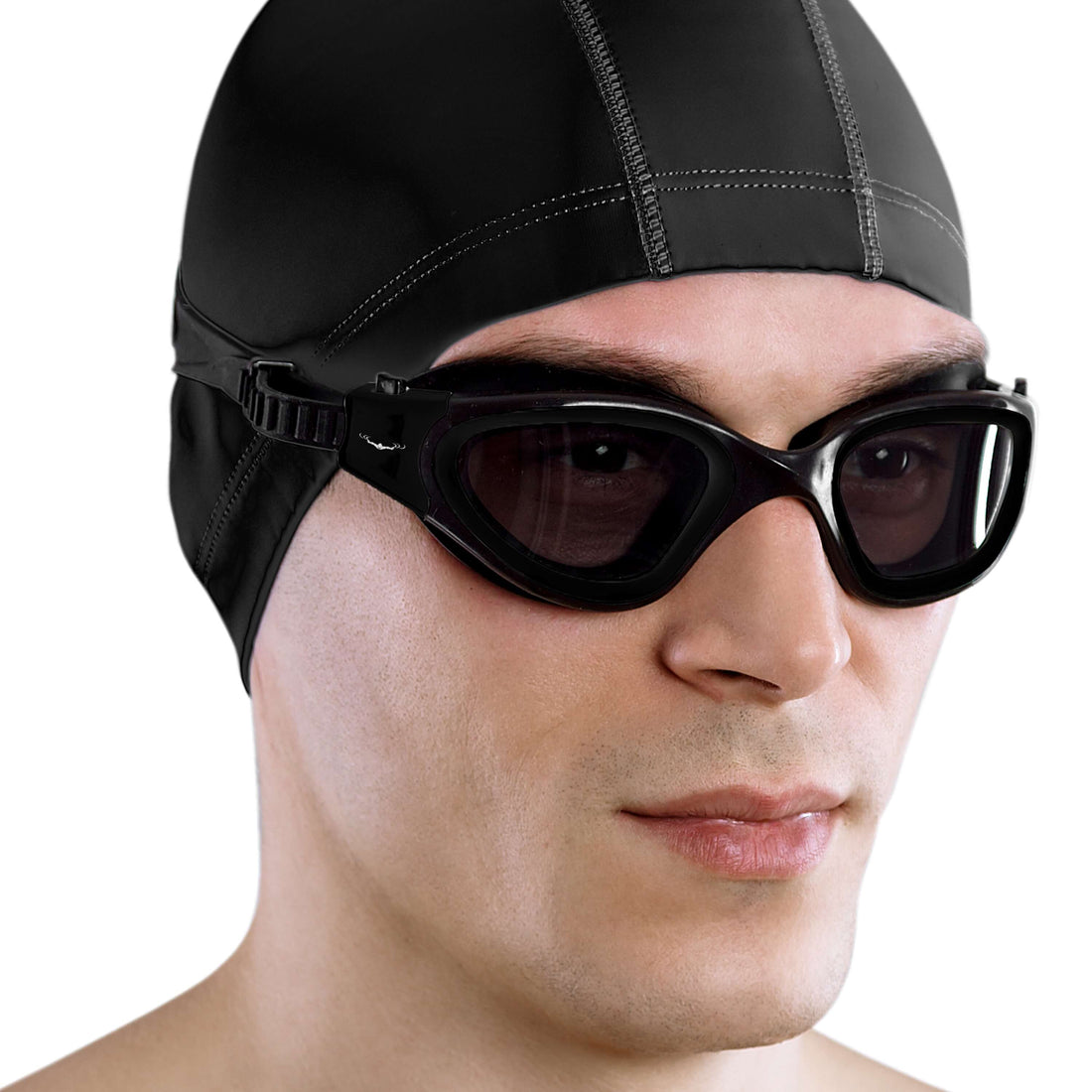
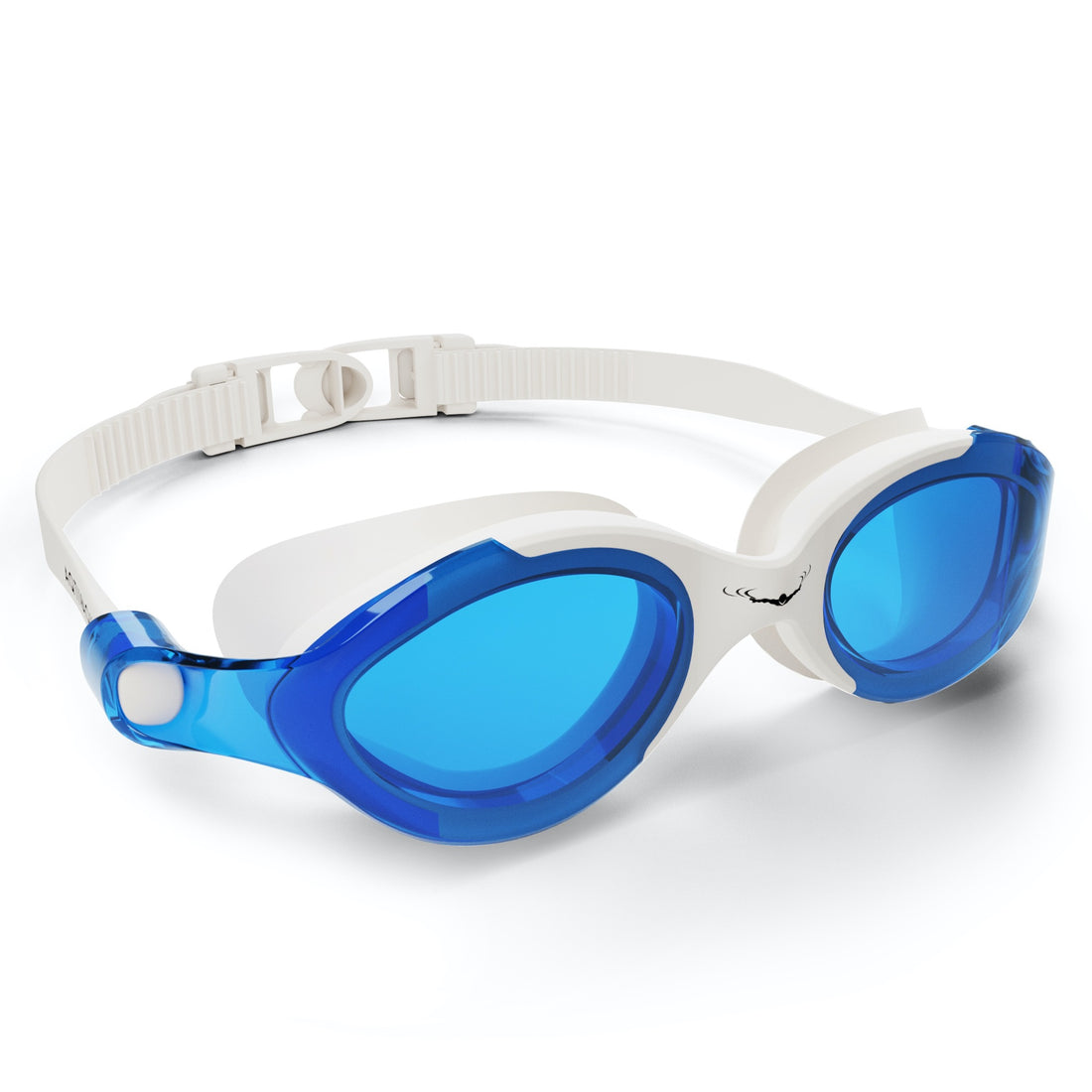
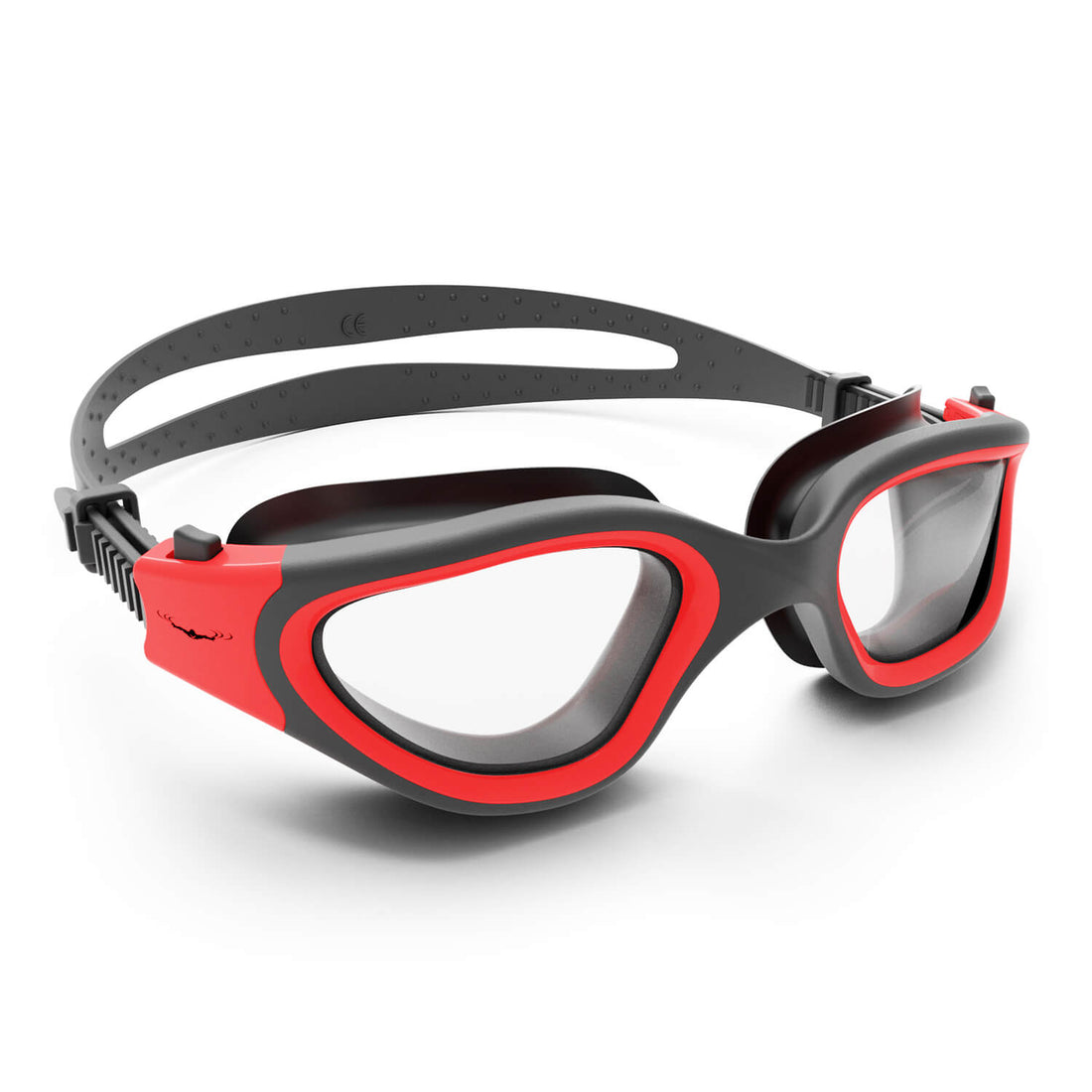
The DX Wide View Swim Goggles feature clear, untinted 180° polycarbonate lenses that provide true color visibility, making them ideal for indoor pools and low-light conditions. With advanced anti-fog technology and leak-free comfort from soft double-seals, these goggles ensure a secure fit and sharp vision during your swim. The included SHOCK protective case offers convenient storage with quick-dry capabilities, enhancing the longevity of your gear.
View Product