

Overview
Fear of water, or aquaphobia, can limit enjoyment and safety around aquatic environments. Understanding its causes, such as past trauma or lack of exposure, is crucial for overcoming it. Gradual exposure, professional swimming lessons, mindfulness techniques, and having a supportive companion can help manage this fear. Learning water safety skills and celebrating progress also play significant roles in building confidence. If the fear is overwhelming, seeking help from a mental health professional may be beneficial. Embrace the journey to transform anxiety into joy and adventure in water activities.
Frequently Asked Questions
1. What is aquaphobia?
2. What causes aquaphobia?
3. What are some strategies to overcome the fear of water?
4. How can I start facing my fear of water?
5. When should I seek professional help for aquaphobia?
Water is a vital part of life, yet for many, it invokes fear and anxiety. Whether it’s due to a past traumatic experience or a simple apprehension of the unknown, fear of water (also known as aquaphobia) can limit opportunities for enjoyment and safety around pools, beaches, and lakes. Here, we explore effective strategies to help overcome this fear and enable you to enjoy all water-related activities, whether you're diving into a pool, splashing at the beach, or learning to swim with kids swim goggles. Let's dive in!
Understanding the Fear: What Causes Aquaphobia?
Before we can address how to overcome the fear of water, it's essential to understand what causes it. Aquaphobia can stem from various events or experiences, often during childhood, and may involve:
- Near Drowning Incident: A scary experience where one feels they cannot breathe can leave deep psychological scars.
- Childhood Trauma: Negative experiences related to water, like a fall into a pool or an overwhelming wave, can lead to a lifelong fear.
- Lack of Exposure: Growing up in an environment where swimming isn't common can result in unfamiliarity and anxiety.
- Parental Influence: Parents who convey their fears around water can unintentionally pass those same fears onto their children.
The Importance of Facing Your Fears
Confronting your fear of water is crucial for personal development and growth. It allows you to thrive in enjoyable activities such as swimming, water sports, or even simply frolicking at the beach. If you have kids, conquering this fear sets a positive example. It encourages them to explore, learn, and enjoy water activities safely. Moreover, knowing how to be comfortable and confident in water can be a lifesaving skill.
Start Small: Gradual Exposure Techniques
Overcoming aquaphobia often requires a gradual exposure approach. Instead of jumping into the deep end, consider the following suggestions to desensitize yourself to the water:
Begin with Observation
Start by simply watching others enjoy the water. This could be at a swimming pool or a beach where you can see people splashing, swimming, or relaxing. Observe the joy and fun on their faces. Watching others can help you feel more comfortable being around water.
Take Baby Steps
Once you're comfortable observing, it’s time to take the plunge—figuratively! Start by:
- Standing next to a shallow pool and dipping your toes in.
- Gradually walking into the water until it reaches your waist.
- Being in a shallow area while wearing floatation devices for extra security.
Incorporate Fun Gear
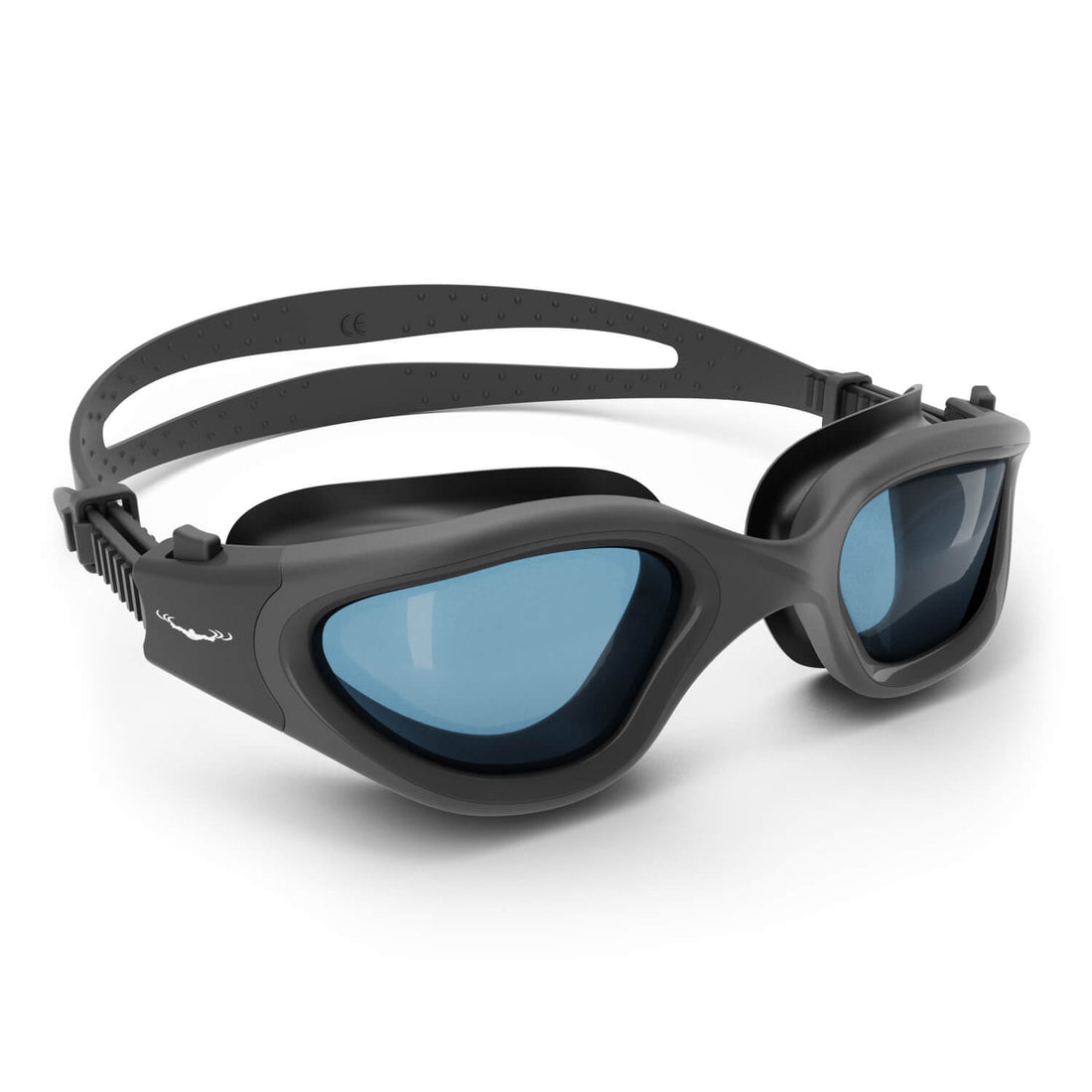
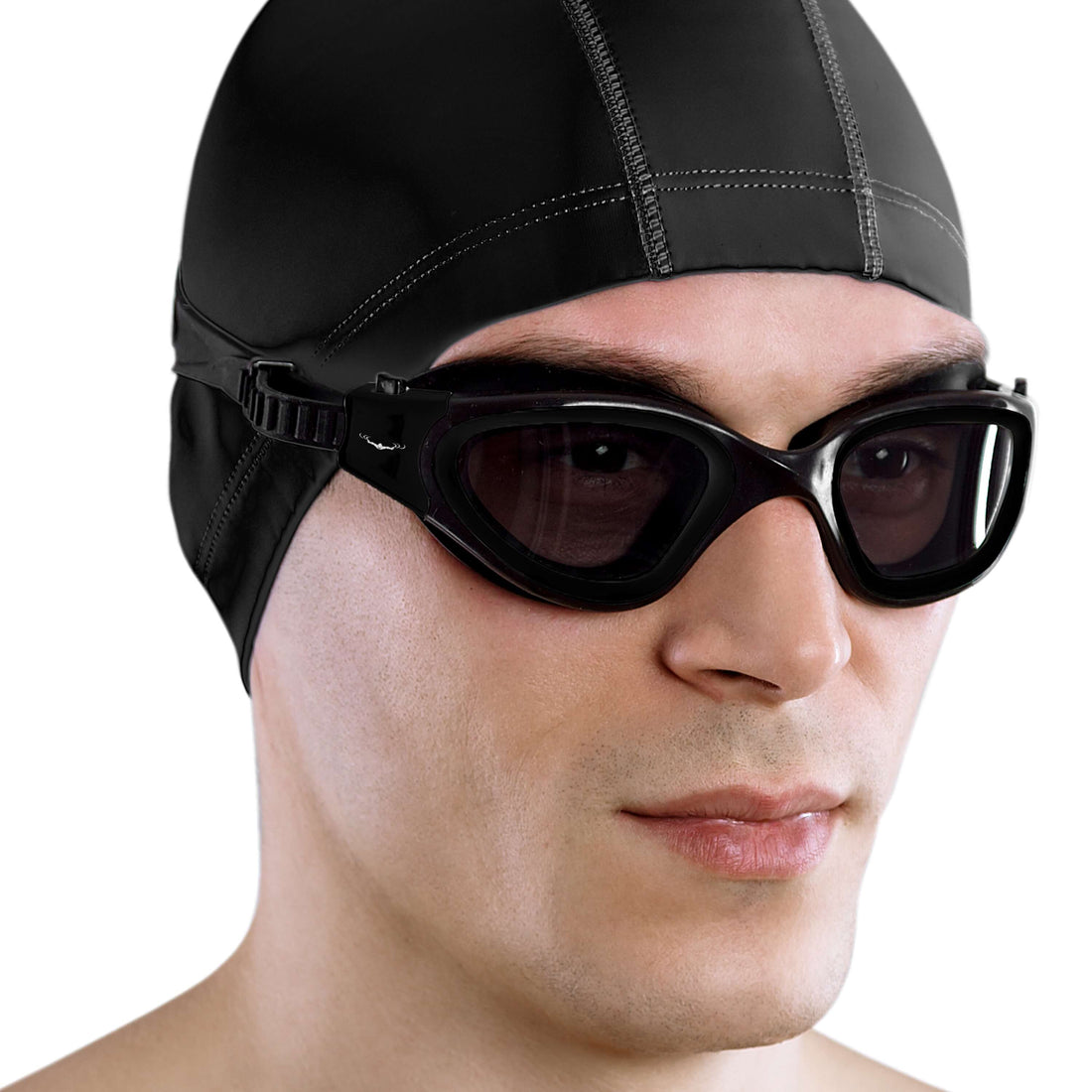
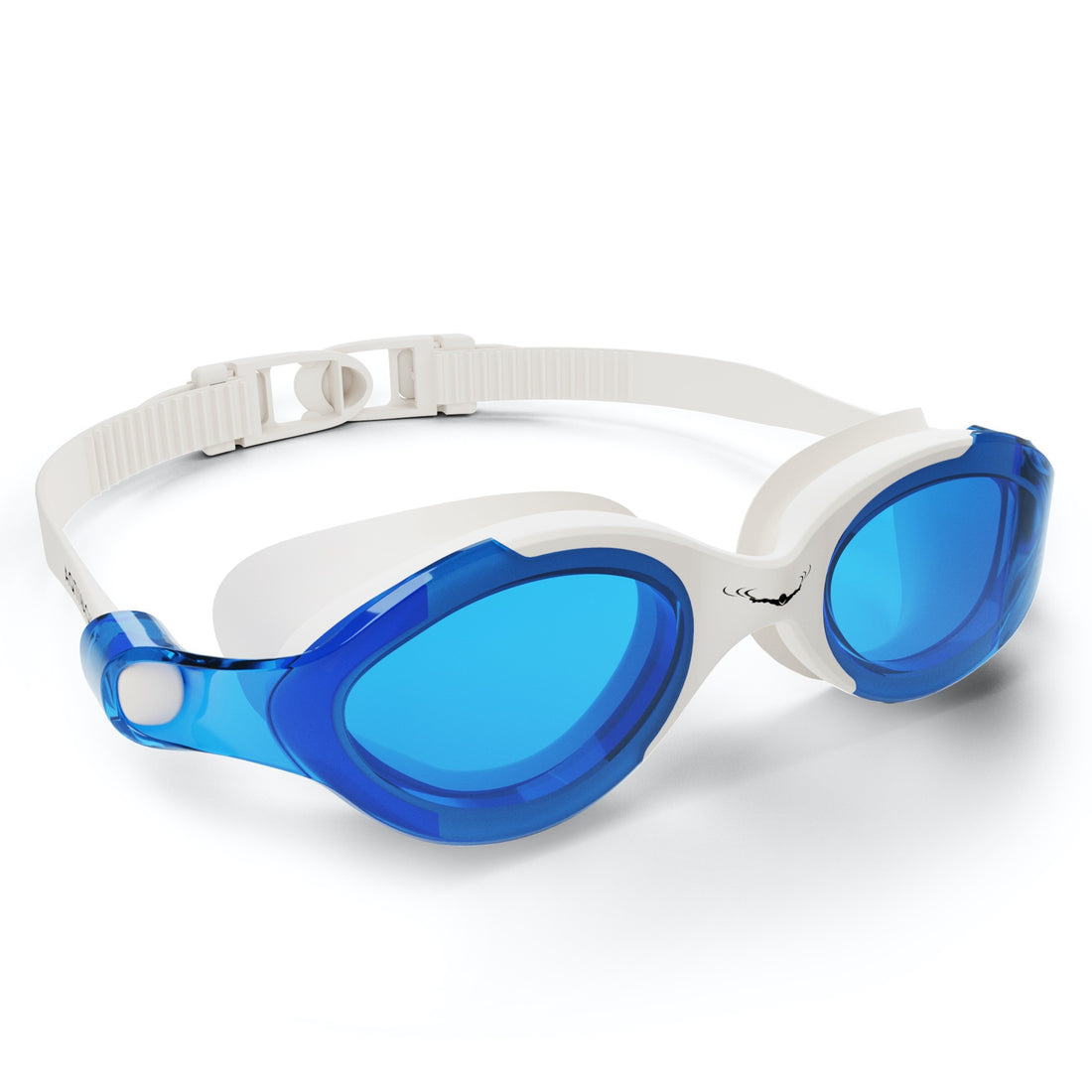
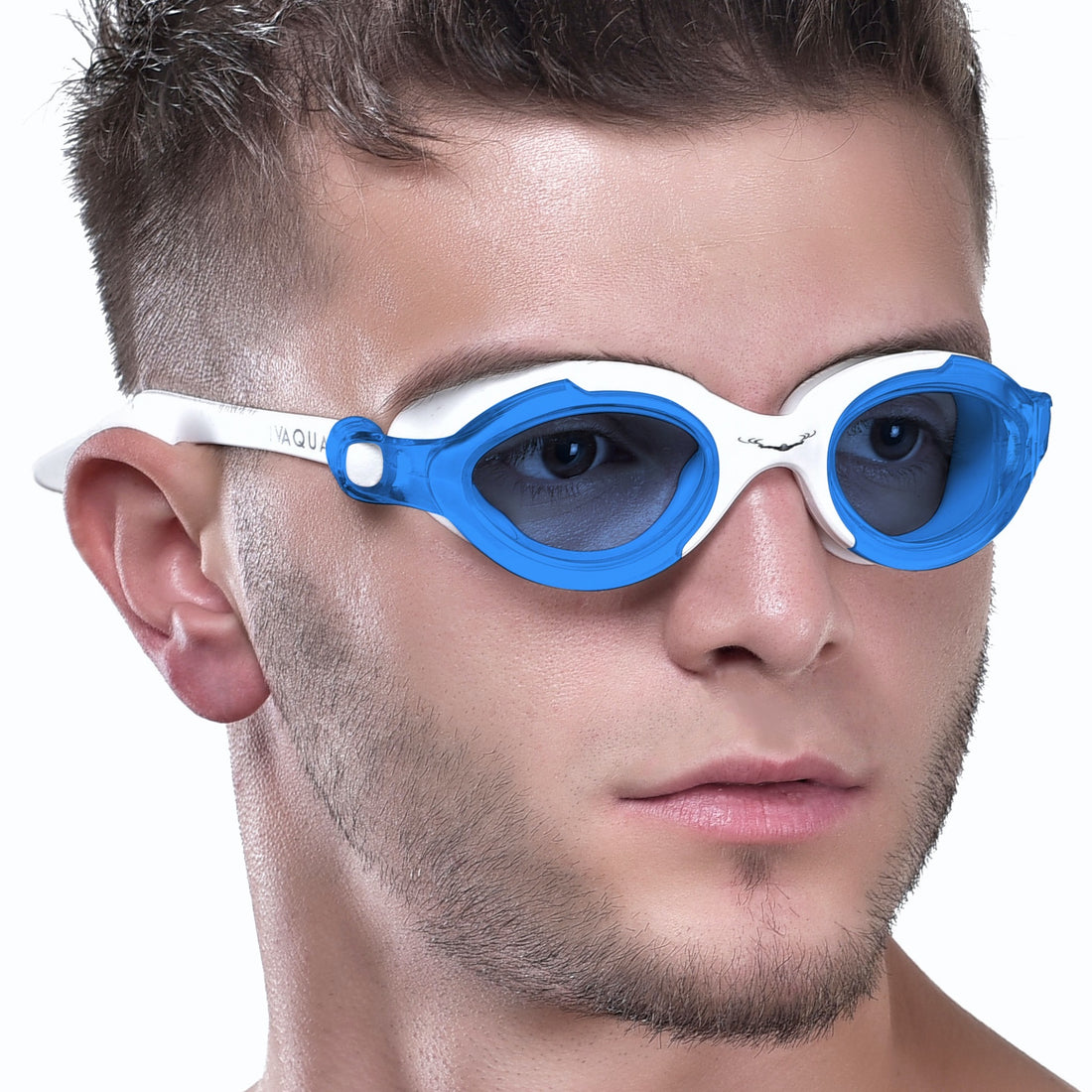
Gear up with safety in mind! Investing in kids swim goggles or swim ear bands can make you feel more secure and stylish. Having the right equipment can also enhance your experience and build confidence in the water.
Professional Guidance: Swimming Lessons Can Help
Enrolling in swimming classes with a qualified instructor can be incredibly beneficial. They'll guide you through the process of learning and help you develop essential skills at your own pace. Here’s why professional lessons are a great idea:
- Structured Learning: Swim instructors can create a tailored plan to gradually reduce your fear and increase your skills.
- Safe Environment: Learning in a controlled and safe environment with a professional can provide peace of mind.
- Supportive Atmosphere: Being around others who may share similar fears can foster a sense of community and encouragement.
Mindfulness and Relaxation Techniques
Mental preparedness is crucial when tackling any fear, including aquaphobia. Incorporating mindfulness and relaxation techniques can significantly reduce anxiety:
Practice Deep Breathing
Deep breathing helps calm the mind and body. Before entering the water, take slow, deep breaths, inhaling through your nose and exhaling through your mouth. Repeat this soothing pattern to help alleviate tension and anxiety.
Visualize Success
Imagining positive scenarios can create a mental buffer against fear. Spend a few moments visualizing yourself having fun in the water, enjoying swimming or playing games, wearing your kids swim goggles, and feeling relaxed.
Find a Supportive Companion
Having a supportive friend or family member by your side when confronting your fear can make all the difference. Here’s why:
- Encouragement: A trusted companion can offer words of encouragement, help you feel secure, and reduce anxiety.
- Shared Experiences: They can join you in water activities, making it a fun and enjoyable experience.
Embrace Water Safety Skills
Learning water safety skills can empower you and build confidence as you engage in aquatic activities. Consider the following key skills:
Floating Techniques
Learning how to float can provide a sense of control in the water. Knowing that you can float safely can quell anxiety and make the swimming experience much more comfortable.
Basic Swimming Strokes
Understanding basic swimming strokes and movements can enhance your experience in the water. Enroll in a class or practice with a friend to get started on essential strokes, which can make swimming more enjoyable.
Acknowledge and Celebrate Progress
Recognizing progress, no matter how small, is essential in overcoming aquaphobia. Celebrate your milestones. Did you successfully dip your toes in the water? Did you float on your back for a few seconds? All these achievements count!
- Keep a journal of your experiences and improvements.
- Share your progress with friends and family.
- Reward yourself for facing your fears, whether it’s a day at the beach or a mini adventure.
Know When to Seek Professional Help
If your fear of water feels overwhelming or debilitating, it might be time to seek help from a mental health professional. Therapists can provide techniques like cognitive-behavioral therapy (CBT) that target phobias and fears effectively. Look for therapists specializing in anxiety or phobias to discuss your fears. They can develop a personalized approach to help you conquer your anxiety.
The Big Splash: Embracing Fear and Enjoyment
Overcoming the fear of water is a journey, but with determination, patience, and the right techniques, you can transform a source of anxiety into a space of joy and adventure. Start small, seek support, and enjoy the learning experience. Remember, every great swimmer started as a beginner, and with the right mindset, you can conquer your fears—dive into your next water adventure ready to embrace the splashes and make lasting memories.
Linked Product

DX-MINI Kids Swim Goggles
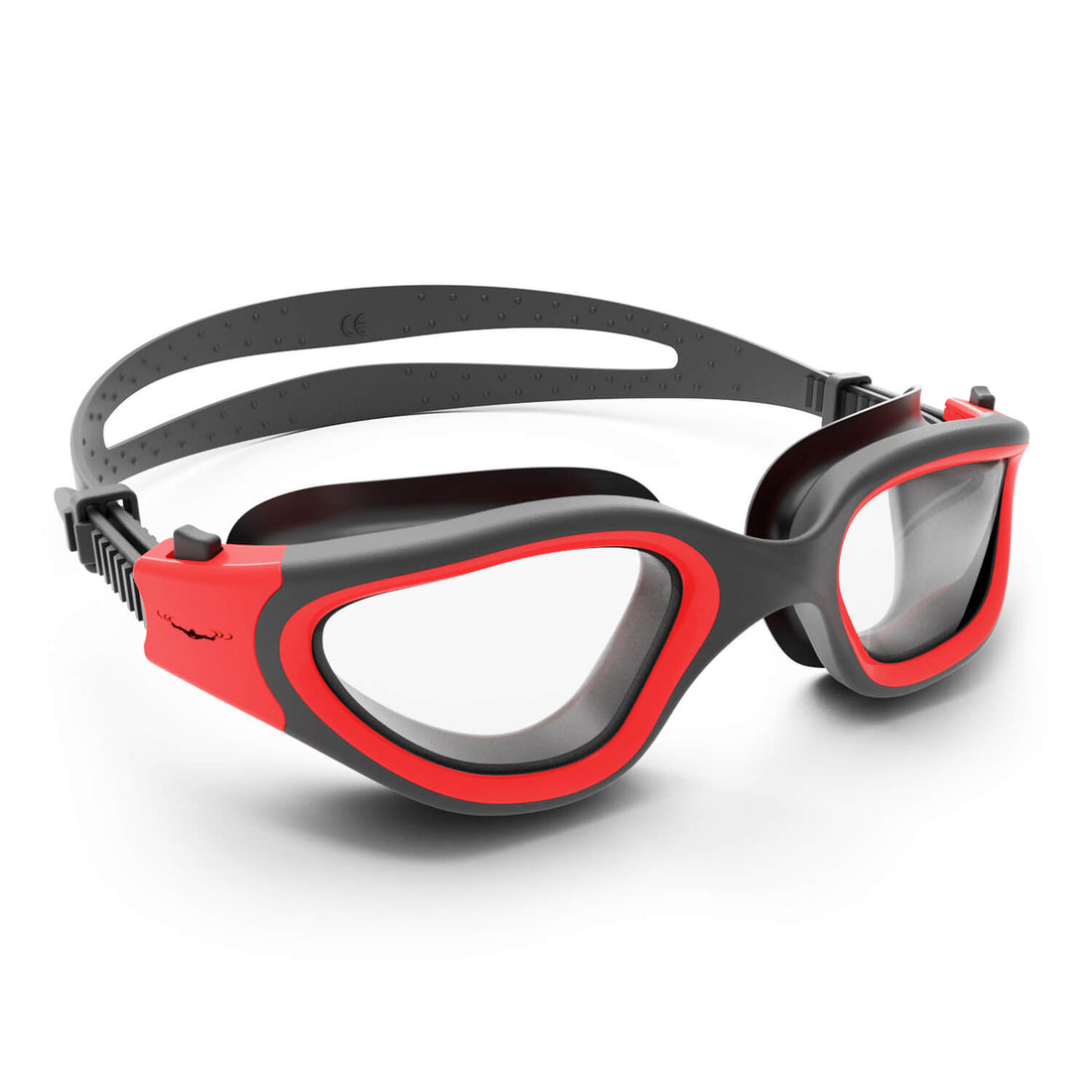
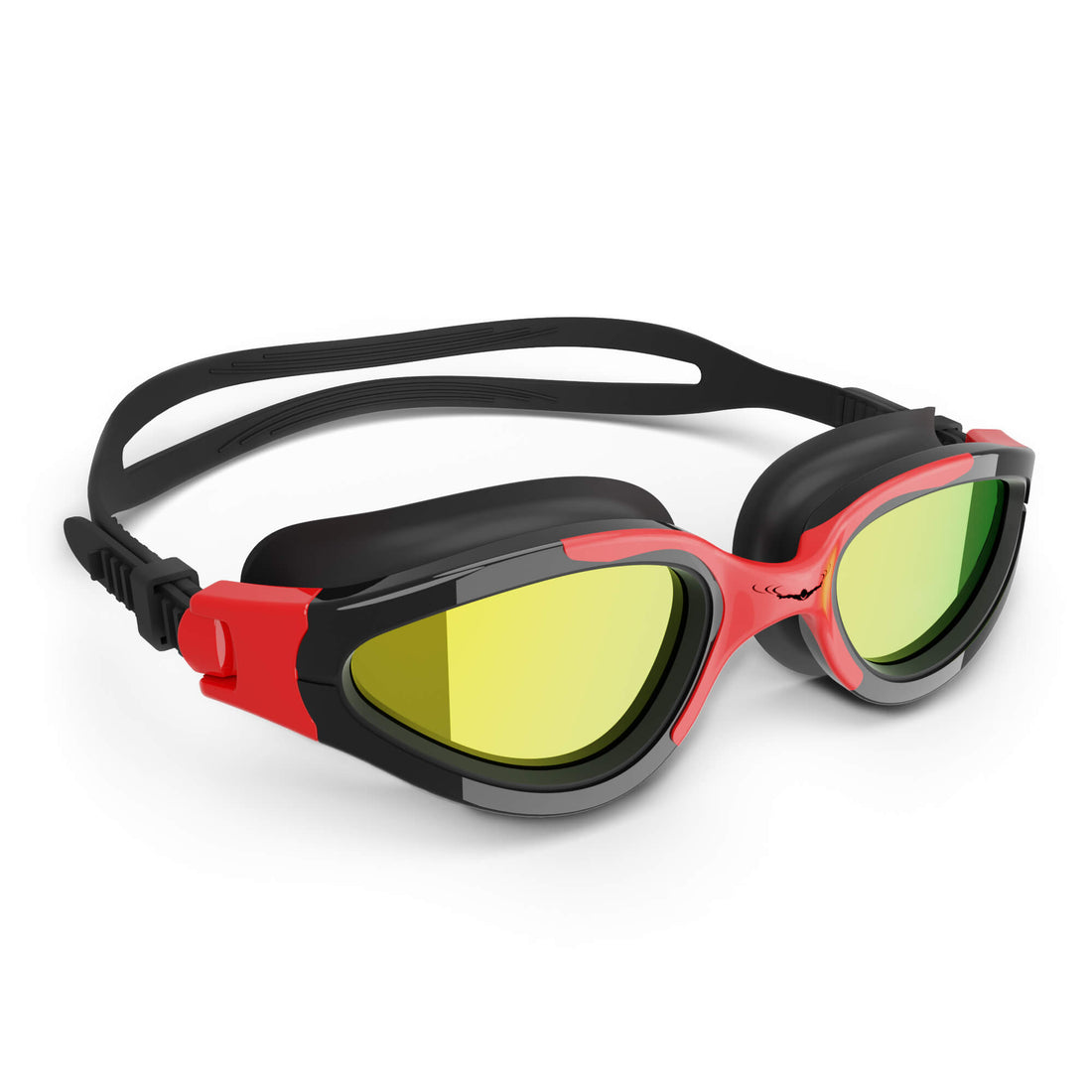
The DX-MINI Kids Swim Goggles provide leak- and fog-free visibility, allowing children to explore confidently both above and below water. Designed with ultra-soft silicone gaskets, these goggles ensure a comfortable fit without pinching, while the anti-slip strap keeps them securely in place during active play. Available in vibrant colors, they make swimming more enjoyable for kids and provide peace of mind for parents with a comprehensive warranty and customer support.
View Product