

Overview
Competitive swimming demands not only physical prowess but also strong mental resilience. By harnessing sports psychology techniques such as goal-setting, visualization, and mindfulness, swimmers can enhance their focus, confidence, and ability to handle pressure. Building a supportive team environment and developing a personalized mental toolkit further empower athletes to navigate challenges and achieve peak performance in the pool.
Table of Contents
- The Intersection of Psychology and Swimming
- Motivation
- Confidence Building
- Handling Pressure and Anxiety
- Understanding Arousal Levels
- Reframing Competition
- The Role of Team Dynamics
- The Influence of Coaching
- The Power of Teammates
- Creating a Personalized Mental Toolkit
- Strategies for Success
- Incorporating Relaxation Techniques
- Nutrition and Mental Performance
- Building a Roadmap to Success
Key Takeaways
- Mental Fortitude is Key: Success in competitive swimming relies heavily on mental strength alongside physical ability.
- Goal Setting Boosts Motivation: Establishing specific, achievable goals helps swimmers maintain focus and drive.
- Confidence Strategies: Positive self-talk and thorough preparation are essential for building confidence before competitions.
- Managing Pressure: Techniques like breathing exercises and pre-race routines can help swimmers control anxiety and enhance performance.
- Team Dynamics Matter: Supportive relationships with coaches and teammates contribute significantly to a swimmer's mental resilience.
- Create a Mental Toolkit: Swimmers should develop personalized strategies, including visualization and journaling, to enhance their mental game.
- Nutrition Influences Performance: A balanced diet and proper hydration are crucial for maintaining mental clarity and emotional stability.
In the world of competitive swimming, physical strength and technique play vital roles; however, the importance of mental fortitude cannot be overstated. From achieving peak performance to coping with the stresses of competition, the psychological aspects of competitive swimming are integral to a swimmer's success. This article delves into the behavioral aspects of competitive swimming, highlighting critical elements of sports psychology that can elevate a swimmer's mindset and contribute to their overall success.
The Intersection of Psychology and Swimming
Competitive swimming is not just about splashing through the water; it’s about navigating the mental challenges that arise during training and competitions. Understanding the psychological aspects of competitive swimming can help athletes cultivate a winning mindset. Here are several areas where sports psychology intersects with swimming performance:
Motivation
Motivation is often the driving force behind success in swimming. It influences how hard swimmers train, how seriously they take their competitions, and even how they handle losses. Swimmers can boost their motivation in several ways:
- Setting Specific Goals: Establishing clear and achievable goals provides swimmers with a target and a sense of purpose.
- Visualizing Success: Mental imagery, or visualization, is a technique that involves picturing oneself succeeding in a race. This can enhance performance by reinforcing a positive mindset.
- Tracking Progress: Regularly reviewing progress can help maintain motivation. Swimmers can document their times, set benchmarks, and celebrate milestones.
Confidence Building
Confidence is another cornerstone of a successful swimmer's mindset. A confident swimmer is more likely to perform at their best, even under pressure. Here are some strategies to build confidence:
- Positive Self-Talk: Replacing negative thoughts with positive affirmations can foster self-belief. Swimmers should practice speaking to themselves in encouraging ways.
- Preparation: Being well-prepared physically and mentally for races can significantly boost confidence. Swimmers should have a consistent training regimen to instill a sense of readiness.
- Mindfulness and Relaxation Techniques: Mindfulness practices, such as meditation and deep breathing, can help swimmers manage anxiety and maintain focus.
Handling Pressure and Anxiety
Competitive swimming often places athletes in high-pressure situations. Learning to manage this pressure and associated anxiety is crucial for performance. Here are some effective methods:
Understanding Arousal Levels
Arousal is a physiological and psychological state that varies with competition. Swimmers must find their optimal level of arousal to perform at their best. Too much excitement can lead to anxiety, while too little can result in a lack of focus. Techniques to help manage arousal include:
- Breathing Exercises: Controlled breathing can help swimmers calm down and regain focus.
- Routine Development: Creating a pre-race routine can help swimmers feel more in control and less anxious.
Reframing Competition
How swimmers perceive competition can greatly affect their performance. Instead of viewing competitions solely as high-stakes events, swimmers can reframe their mindset to see them as opportunities for growth and learning.
- Fostering a Growth Mindset: Emphasizing improvement and effort over immediate outcomes can alleviate the pressure associated with competing.
- Embracing Failure: Accepting that setbacks are a part of the journey can help swimmers remain resilient and focused on their long-term goals.
The Role of Team Dynamics
While swimming is often considered an individual sport, the importance of team dynamics should not be overlooked. Supportive relationships with coaches and teammates can have significant impacts on a swimmer's mental state.
The Influence of Coaching
Coaches play a pivotal role in not just training but also in shaping a swimmer’s mentality. A good coach can:
- Provide Positive Reinforcement: Acknowledging accomplishments, whether big or small, helps swimmers feel valued and motivated.
- Encourage Open Communication: This creates a safe environment where swimmers can express their fears and challenges.
- Instill Discipline: A disciplined approach to practice and competition fosters a strong work ethic, benefiting mental resilience.
The Power of Teammates
Teammates can offer support through camaraderie and shared experiences. Swimmers thrive in an environment where they feel connected to others. Here’s how teammates can aid one another:
- Building a Positive Culture: A team that encourages one another can help mitigate stress and foster a motivated atmosphere.
- Sharing Strategies: Swimmers can exchange mental strategies and coping mechanisms that help each other overcome challenges.
Creating a Personalized Mental Toolkit
Competitive swimmers can benefit from creating a personalized mental toolkit tailored to their individual needs. This toolkit may include techniques and strategies that resonate most with each athlete.
Strategies for Success
Here are some practical elements swimmers can include in their mental toolkit:
- Visualization Techniques: Regularly practice visualizing races, including the feelings and sensations associated with success.
- Journaling: Keeping a training journal can help swimmers process their experiences and track their emotional journey.
- Setting Micro-Goals: Breaking larger goals into smaller, manageable tasks can help maintain motivation and provide consistent emotional support.
Incorporating Relaxation Techniques
Incorporating relaxation techniques into training routines can significantly enhance a swimmer’s mental game. Some effective techniques include:
- Yoga and Stretching: These practices can improve flexibility while also promoting mental clarity and focus.
- Mindfulness Meditation: Taking time to meditate can help swimmers develop a greater awareness of their thoughts and emotions, allowing them to control anxiety effectively.
Nutrition and Mental Performance
A swimmer’s diet significantly impacts both physical health and mental performance. Proper nutrition provides the energy needed for rigorous training while also influencing mood and cognition.
- Hydration: Staying properly hydrated is essential for optimal cognitive function and emotional stability.
- Balancing Macronutrients: A well-balanced diet consisting of proteins, carbohydrates, and fats plays a vital role in supporting overall mental health.
- Anti-Inflammatory Foods: Including foods rich in omega-3 fatty acids can support brain health and reduce mood swings.
Building a Roadmap to Success
Every competitive swimmer’s journey is unique. By understanding the psychological aspects of competitive swimming, athletes can tailor their approaches to strengthen their mindset. Whether through motivational strategies, team dynamics, or mental techniques, each swimmer can develop a personalized roadmap to success. Implementing these strategies not only enhances swimming performance but also enriches the overall experience of being a competitive athlete.
As you continue to navigate your swimming journey, remember that success in the pool is as much about cultivating a resilient mind as it is about physical training. By investing time and effort into mastering the mental game, you can unlock your fullest potential and make waves in your competitive swimming career.
Frequently Asked Questions
1. What role does mental fortitude play in competitive swimming?
2. How can swimmers enhance their motivation?
3. What strategies can build confidence in swimmers?
4. How does team dynamics affect a swimmer's performance?
5. What are some effective mental techniques swimmers can incorporate into their routines?
Glossary
| Term | Meaning |
|---|---|
| Motivation | The drive that influences training intensity and competition seriousness. |
| Visualization | A mental technique where athletes picture themselves succeeding. |
| Confidence | A belief in one's abilities that enhances performance under pressure. |
| Arousal | The optimal physiological and psychological state for performance. |
| Growth Mindset | Emphasizing improvement and learning over immediate success. |
| Team Dynamics | The influence of relationships with teammates and coaches on mental state. |
| Positive Reinforcement | Acknowledgment of achievements to boost motivation and self-worth. |
| Mindfulness | A practice to increase awareness and manage anxiety effectively. |
| Nutrition | The impact of diet on physical health and mental performance. |
| Relaxation Techniques | Methods like yoga and meditation to enhance mental clarity and focus. |
Linked Product

DX Wide View Swim Goggles + SHOCK Protective Case
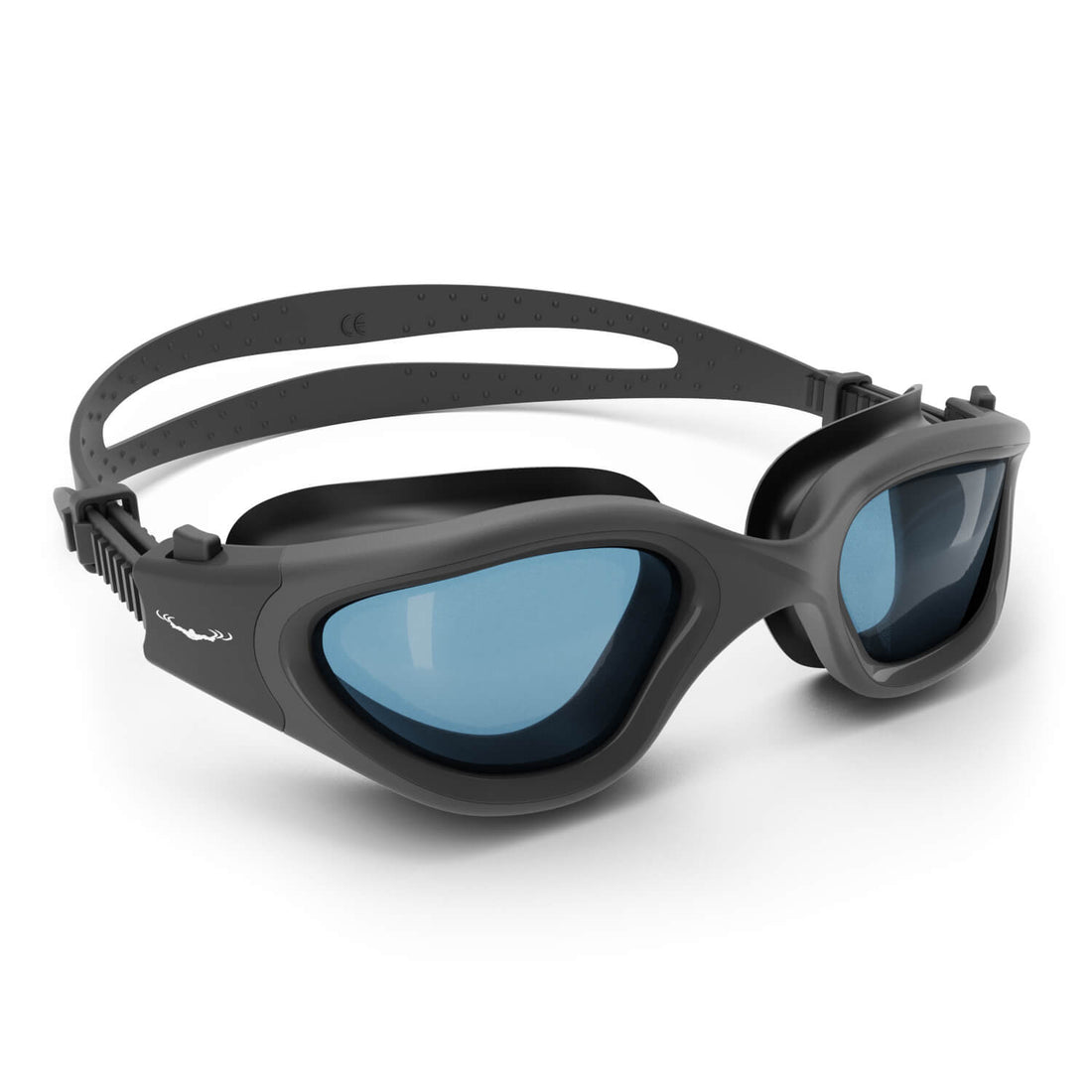
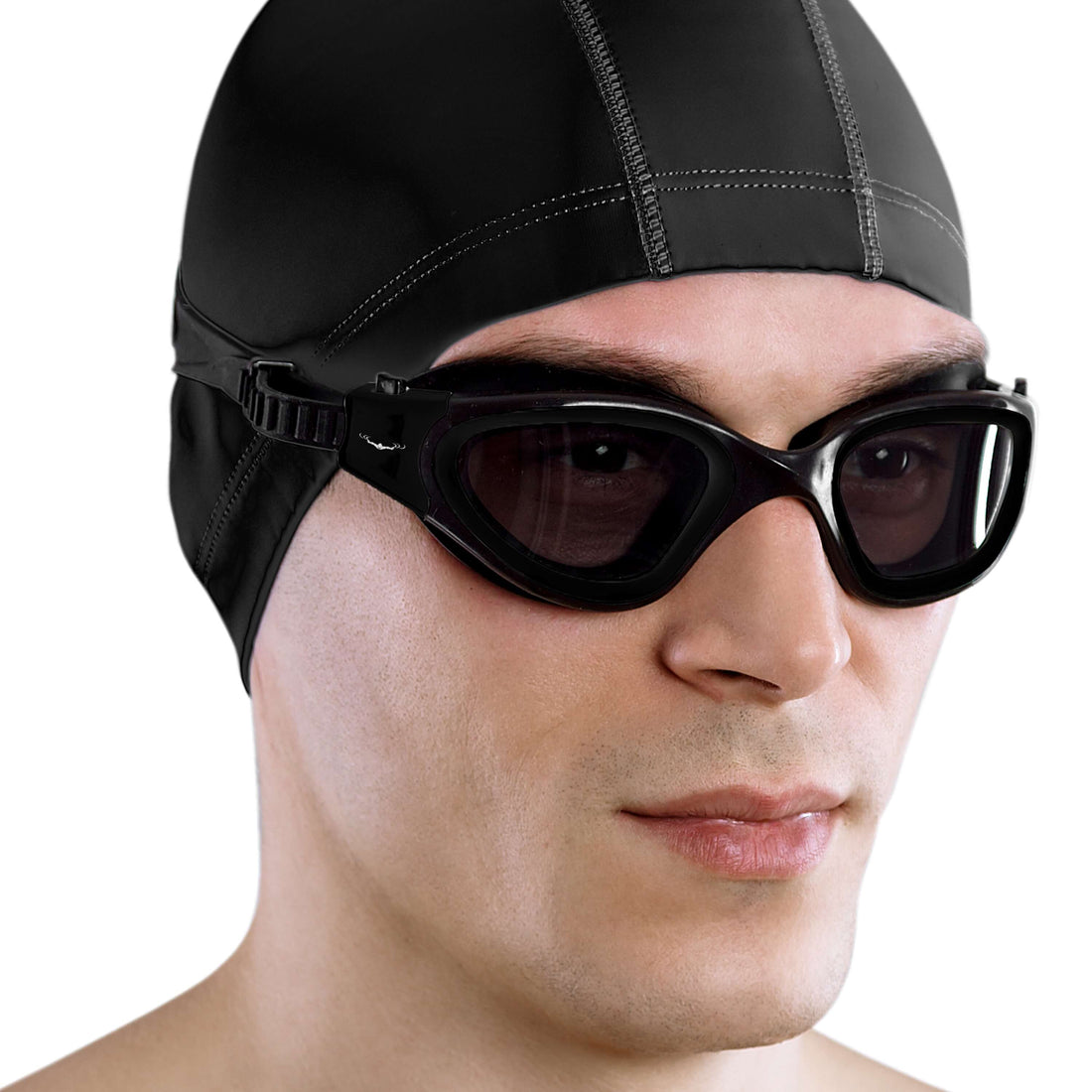
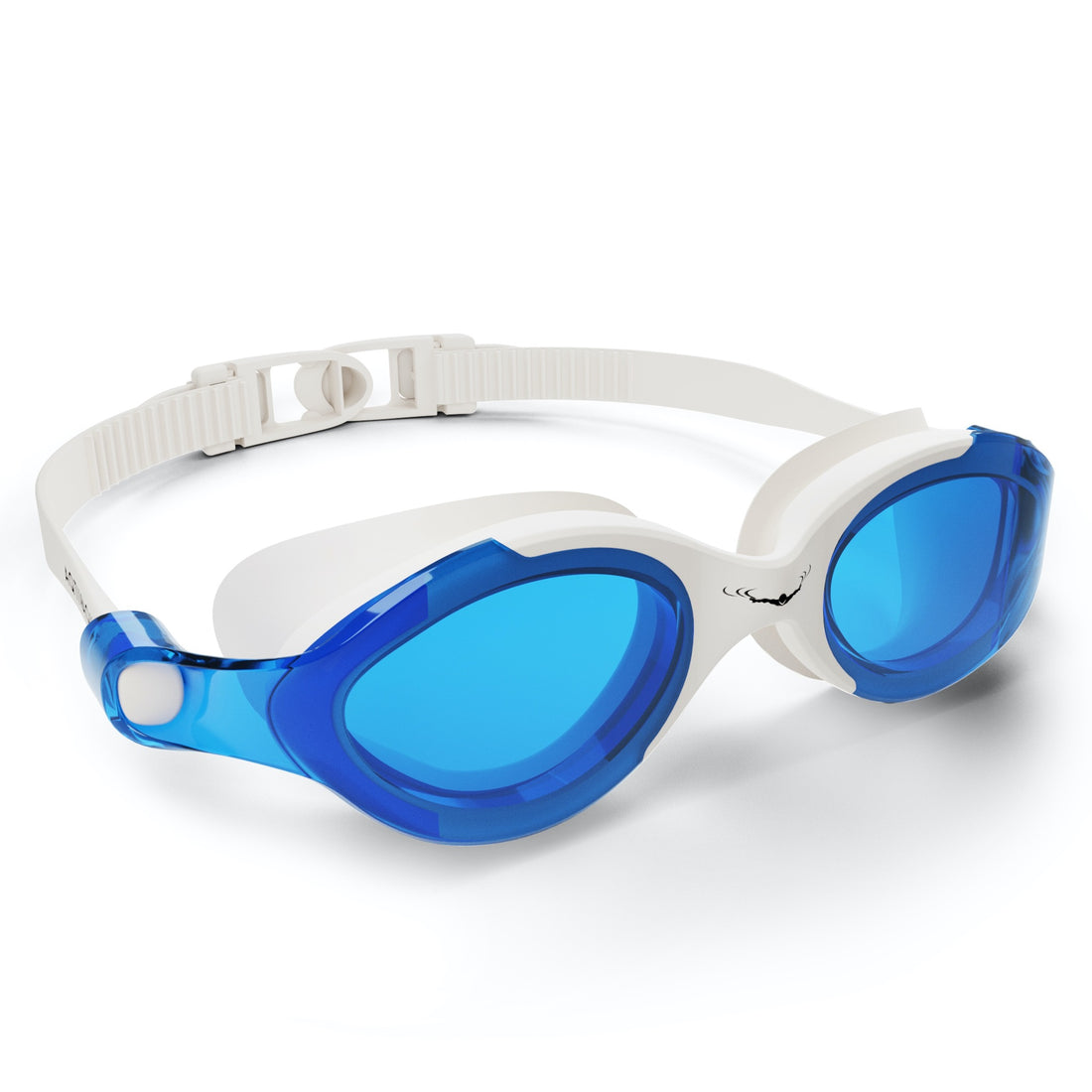
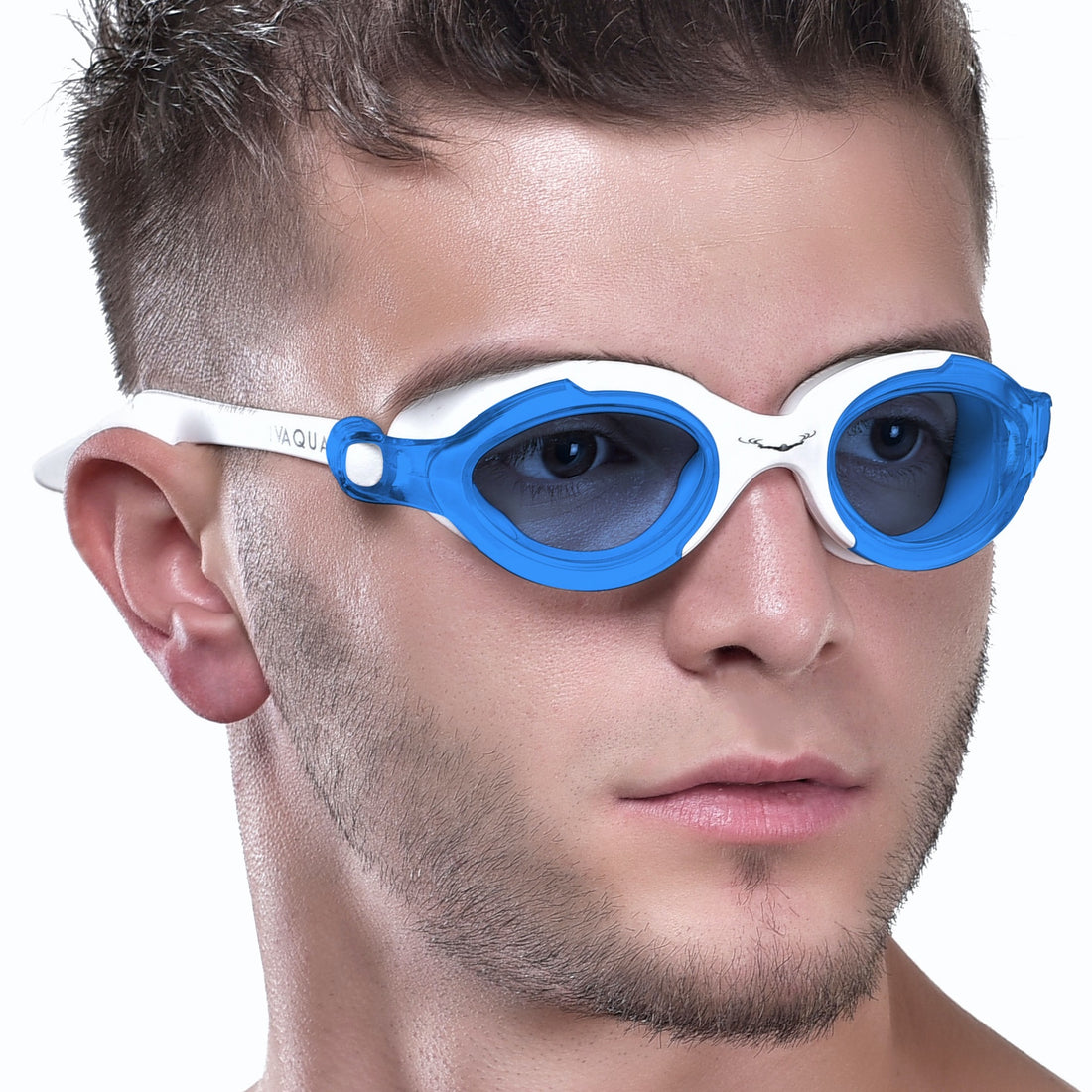
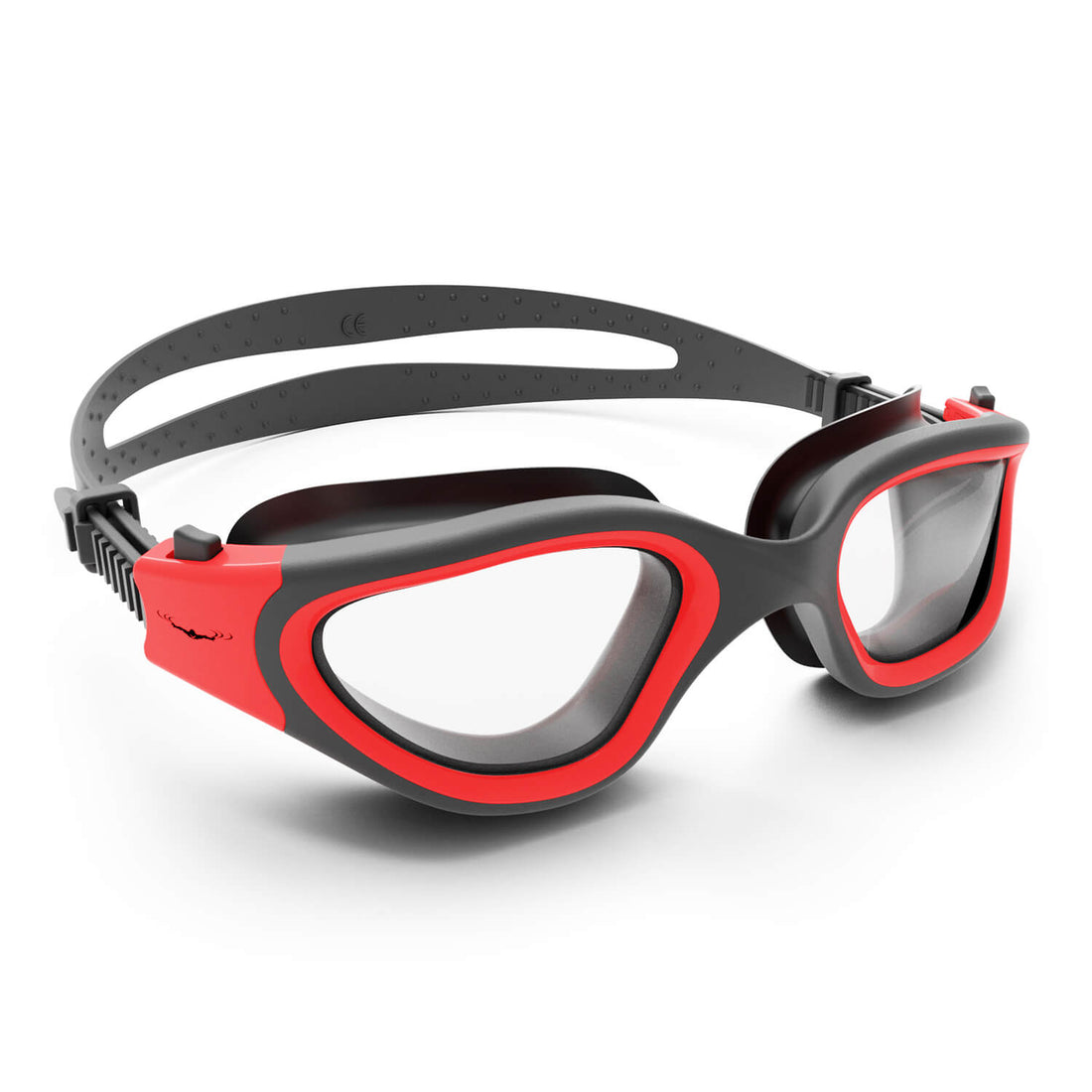
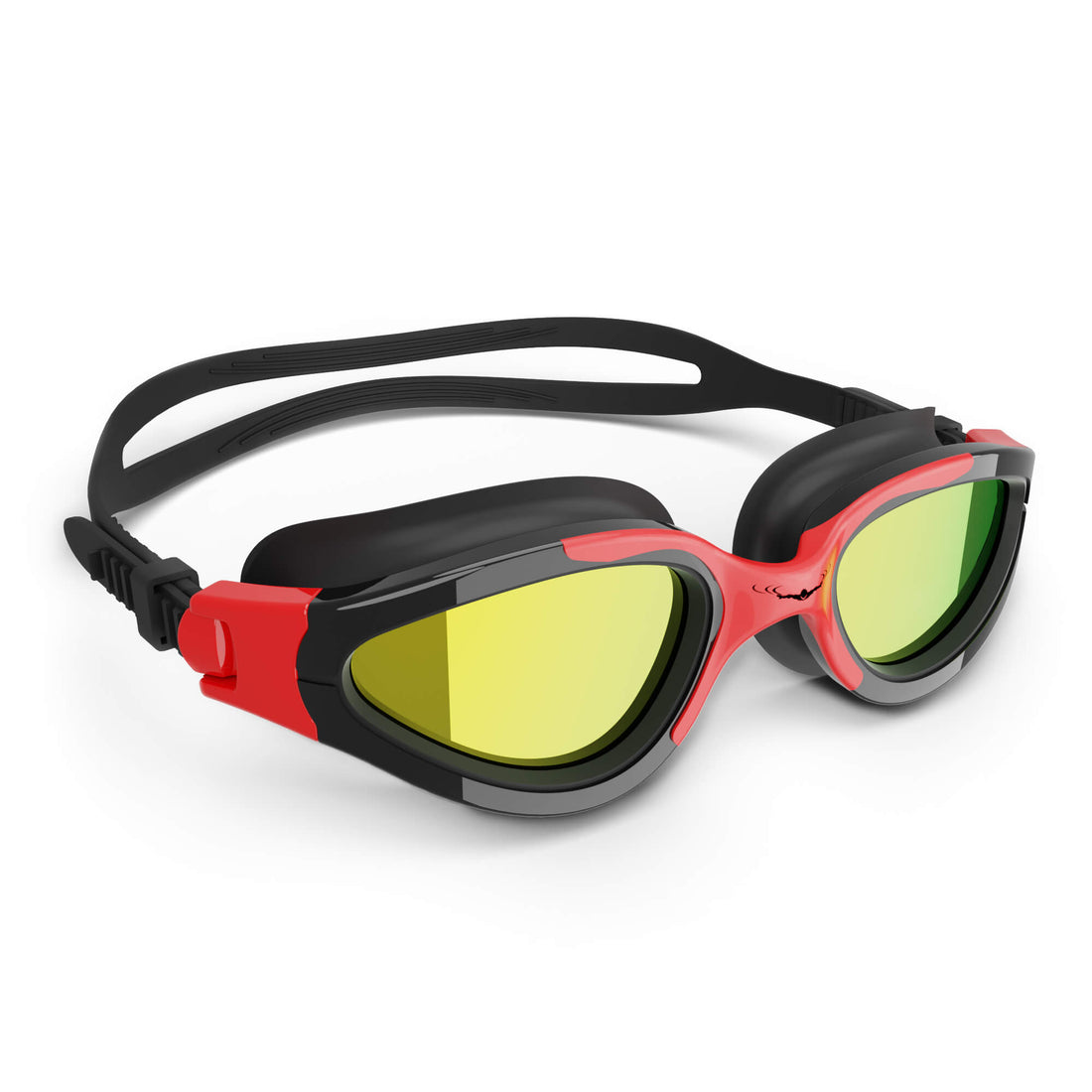
The DX Wide View Swim Goggles feature clear, untinted 180° polycarbonate lenses designed for true color visibility in indoor pools and low-light conditions. With advanced anti-fog technology and UV400 protection, these goggles ensure crisp, fog-free vision both above and below water. Their soft, flexible double-seals provide leak-free comfort, while the adjustable split Y-strap and one-click buckle allow for a secure fit during intense swimming sessions.
View Product